
























Choosing the Right X Ray Positioning Aids

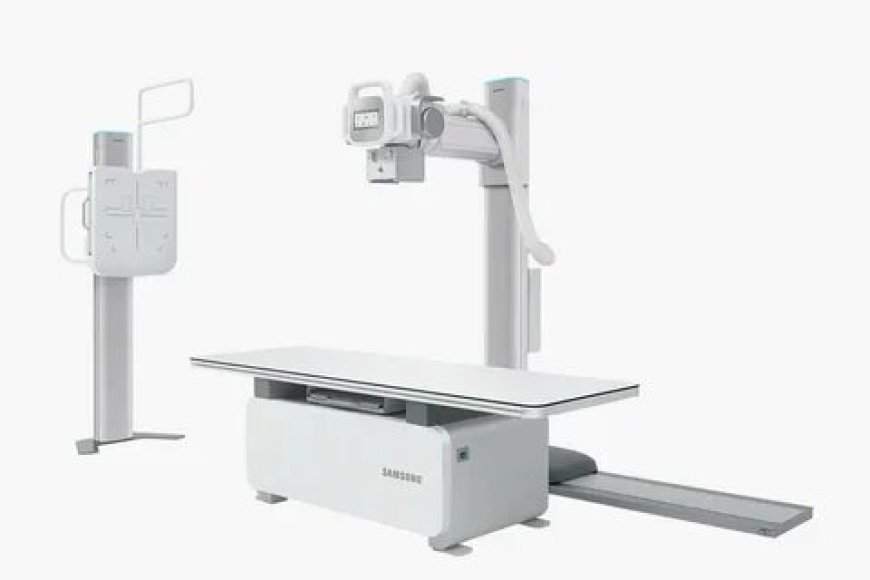
X ray positioning aids are essential tools in diagnostic imaging, playing a critical role in ensuring accurate and high-quality results. These aids help medical professionals position the patient correctly and consistently, which is vital for achieving optimal images while minimizing patient discomfort and radiation exposure. Whether used in hospitals, clinics, dental offices, or mobile imaging units, choosing the right x ray positioning aids can improve workflow, patient outcomes, and safety compliance.
Why Proper Positioning Matters in Radiography
Inaccurate positioning can lead to diagnostic errors, retakes, and unnecessary radiation exposure. Positioning aids are designed to eliminate these risks by stabilizing the patient and guiding technicians to achieve the correct angles and views. This improves image clarity, reduces examination time, and boosts diagnostic confidence. In many healthcare settings, these aids are also important for accommodating patients with limited mobility or physical discomfort.
Benefits of X Ray Positioning Aids
-
Enhanced image quality with consistent positioning
-
Reduced number of image retakes
-
Improved patient comfort and support
-
Lower radiation dose due to fewer exposures
-
Compliance with safety and imaging protocols
Key Types of X Ray Positioning Aids to Know
Understanding the different types of aids available can help professionals make better purchasing and usage decisions. Here are the most common x ray positioning aids used in medical settings:
Sponges and Foam Blocks
These are soft, durable blocks made from radiolucent materials. They are available in various shapes and sizes to support body parts like arms, legs, head, and shoulders. Wedge sponges, angle sponges, and base plates are commonly used to achieve specific angles and immobilize the patient gently.
Sandbags
Sandbags provide firm but gentle support for patient limbs. Theyre ideal for situations where a body part must remain still during exposure. Many are covered in antimicrobial, easy-to-clean material, making them suitable for reuse in clinical environments.
Straps and Immobilization Belts
These aids are used to secure the patient in a desired position, particularly helpful when dealing with patients who have difficulty remaining still. Straps ensure safety during procedures without adding artifacts to the x ray image.
Positioning Shields and Markers
Radiopaque markers and shields not only support accurate positioning but also assist in image labeling and radiation protection. They ensure clarity in interpreting the side of the body and any relevant anatomy.
Pediatric Positioning Devices
For children, standard aids may not suffice. Pediatric-specific positioning aids are designed with child safety and size in mind. They help minimize movement and reduce stress during imaging procedures, which is especially important for pediatric radiology.
Factors to Consider When Choosing the Right X Ray Positioning Aids
Not all aids are suitable for every setting. Choosing the right x ray positioning aids requires evaluating a variety of factors:
Patient Type and Imaging Needs
Consider whether you're imaging pediatric, geriatric, trauma, or bariatric patients. Each group has unique needs that require specific types of aids. For instance, bariatric patients may need stronger, larger supports, while pediatric aids need to be gentle and comforting.
Radiolucency and Material Quality
The material used in aids must be radiolucentmeaning it doesnt appear on the image. Also, it should be durable, non-porous, and easy to sanitize. High-quality foam and vinyl are standard in modern x ray positioning aids.
Frequency of Use and Durability
For high-volume imaging centers, aids must be long-lasting and capable of withstanding daily use. Look for antimicrobial, waterproof, and tear-resistant options that can be easily disinfected between uses.
Comfort and Ergonomics
Patient comfort directly affects cooperation and positioning accuracy. Cushioned supports and body-conforming designs reduce patient strain and improve stability, especially during longer imaging sessions.
Budget and Cost Effectiveness
Although high-end aids come with premium features, many affordable options also offer excellent functionality. Evaluate long-term value rather than just upfront costdurability and reusability can result in significant savings over time.
Best Practices for Using X Ray Positioning Aids Effectively
Having the right tools is only part of the solution. Proper technique and staff training are equally important for maximizing the effectiveness of x ray positioning aids.
Train Staff Regularly
Ensure radiologic technologists are trained in the use of all aids available in the facility. Routine training updates can reduce positioning errors and maintain protocol consistency.
Customize for the Procedure
Use aids appropriate for the specific imaging procedure. For instance, a lateral skull x ray might require different supports than a chest x ray. Tailoring the aid to the body part being imaged ensures better results.
Maintain and Sanitize Aids
Proper cleaning and maintenance prolong the life of your aids. Use hospital-grade disinfectants and inspect regularly for tears or material degradation.
Label and Organize Aids
Clearly label different aids and store them by type or imaging procedure to improve workflow efficiency. This reduces time spent locating the right tool during patient prep.
Common Mistakes to Avoid While Selecting X Ray Positioning Aids
Even experienced professionals can make errors when choosing or using aids. Avoid these common pitfalls:
-
Using aids that produce artifacts or shadows on the image
-
Failing to secure aids properly, leading to patient movement
-
Selecting the wrong aid size or shape for the anatomy
-
Reusing aids without proper sanitation
-
Ignoring manufacturer guidelines for maximum weight or use duration
Innovations in X Ray Positioning Aids: Whats New?
Technology continues to improve positioning aids. Modern trends include:
-
Memory foam aids that adapt to body contours for enhanced comfort
-
Carbon-fiber reinforced aids that offer high strength with minimal radiographic interference
-
Disposable aids for high-infection-risk environments
-
Digitally guided positioning tools with software support for repeatable and standardized imaging
These innovations aim to improve imaging outcomes, reduce technician workload, and enhance patient experience across different departments.
Final Thoughts on Choosing the Right Tools
Selecting the best x ray positioning aids is a strategic decision that impacts diagnostic quality, patient safety, and operational efficiency. Radiology departments should regularly review their tools and upgrade when necessary to keep up with evolving standards and patient needs. Investing in the right aids not only improves image consistency but also reduces risks, saves time, and enhances overall care quality.
If youre building or upgrading your imaging facility, take time to evaluate your patient demographics, imaging types, and workflow requirements. When these factors guide your purchasing decisions, youre more likely to choose x ray positioning aids that support both clinical excellence and patient satisfaction.