














Why Digitizing for Embroidery Is Key to Perfect Stitching
Digitizing for embroidery transforms artwork into flawless stitch files. Learn how this process ensures clean, professional results across garments and logos.


A small custom apparel shop once spent hours creating a logo for a sports team, only to realize their embroidery machine couldnt interpret the design file. The edges stitched unevenly, the colors were off, and worst of all, the logo looked distorted on every cap and jacket. What went wrong? The file hadnt beendigitized correctly.
This is a common problem that highlights the importance of digitizing for embroidery. Its not just a technical step, its the very foundation of embroidery success.
What Is Digitizing for Embroidery?
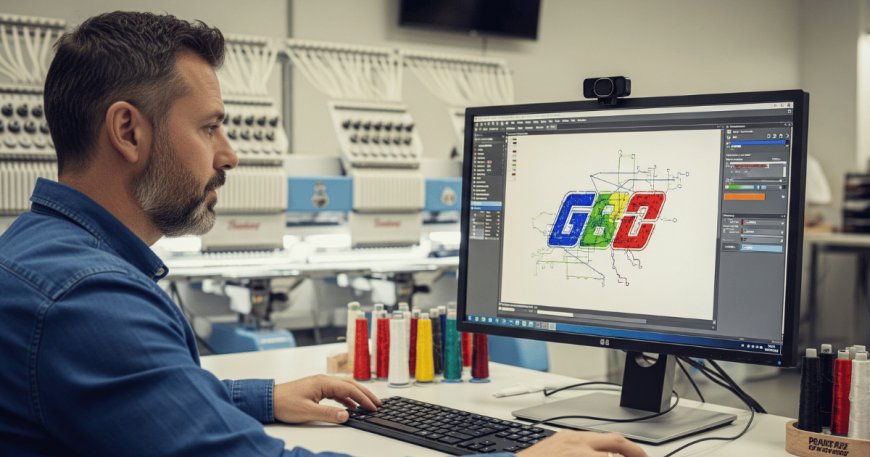
Digitizing for embroidery is the process of converting a digital image into a stitch file that embroidery machines can understand. It maps out exactly how the needle should move, defining stitch type, direction, density, and order.
A digitizer analyzes the image and manually programs this information using digitizing software. The result? A file that translates a design into flawless threadwork.
Why You Cant Skip This Step
Many people assume that any high-resolution image is enough for embroidery, its not. Without digitizing, your machine wont know how to reproduce the design using stitches. Thats like expecting a printer to interpret a hand-drawn map without scanning it first.
Heres why proper digitizing is essential:
-
Accurate Stitch Placement: Ensures sharp lines and consistent fills.
-
Reduced Thread Breakage: Optimizes stitch direction and length.
-
Balanced Density: Prevents puckering or heavy stitching on fabric.
-
Machine Compatibility: Generates formats like DST, PES, EMB, etc.
How the Digitizing Process Works
Professional digitizers dont just press a button, they interpret your design and reimagine it in thread. Here's how:
-
Artwork Analysis
The digitizer checks the image quality, color separation, and complexity. -
Path Planning
Decides how the machine will trace the design. This affects thread usage and efficiency. -
Stitch Type Selection
Uses fill, satin, run, or manual stitches depending on the area and shape. -
Density & Underlay Setup
Adjusts for fabric type (like caps, denim, cotton) to ensure clean results. -
File Format Export
Saves the design in the correct file format supported by your embroidery machine.
Who Needs Digitizing Services?
-
Small Embroidery Shops: To streamline production and avoid machine errors.
-
Fashion Designers: To bring intricate art onto apparel or accessories.
-
Corporate Brands: For logo embroidery on uniforms and promotional goods.
-
E-commerce Sellers: Custom t-shirts, caps, and patches sold on Etsy or Shopify.
-
Event Planners: To personalize giveaways or uniforms.
Regardless of size or industry, anyone using machine embroidery can benefit from digitizing.
Benefits of Professional Digitizing Over Automated Software
Auto-digitizing software may be tempting, but it often creates flawed, low-quality files. These can result in poor stitching, broken needles, and wasted materials.
Professionals offer:
-
Clean, editable files
-
Properly layered stitch orders
-
Optimized thread count and direction
-
Support for detailed or multi-colored artwork
-
Fewer errors during machine execution
In short, expert digitizing saves time, money, and frustration.
Most Common Stitch Types in Digitized Designs
-
Satin Stitch: Ideal for borders, letters, and clean outlines.
-
Fill Stitch: Used to cover large areas with even texture.
-
Run Stitch: Creates outlines or details with a single thread line.
-
Manual Stitch: Customized placements for tricky designs or special effects.
Each stitch type is chosen based on the shape, size, and fabric type, making stitch selection a key part of the digitizing process.
Digitizing Challenges and How Experts Overcome Them
-
Design Too Detailed: Complex artwork needs to be simplified without losing impact.
-
Thin Lines on Fabric: Might not appear in embroidery, experts thicken where needed.
-
Color Limitations: Embroidery machines use thread, not ink, so colors must be thread-matched manually.
-
Scaling Issues: Enlarging a design without adjusting stitch count leads to gaps or breaks.
Professional digitizers know how to balance design integrity with machine limitations.
Industries That Rely on High-Quality Digitizing
-
Sports Teams: For customized gear and jerseys
-
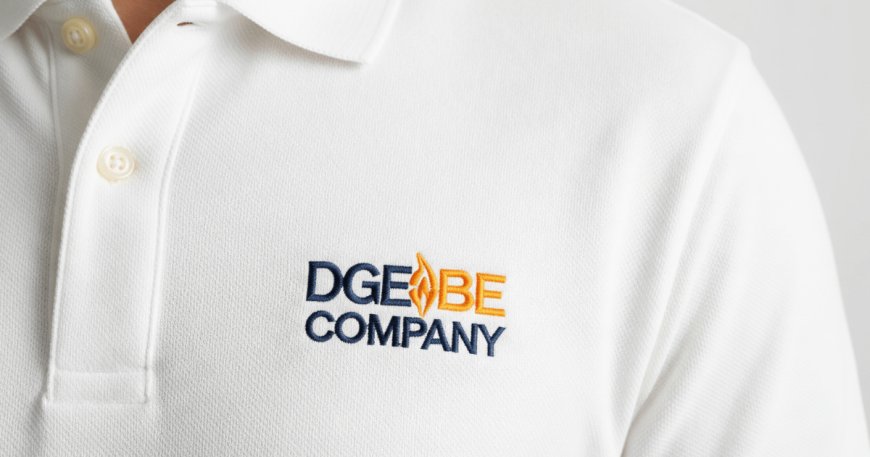
Corporate Uniforms: Branded apparel that represents the company professionally
-
Fashion Labels: Embroidery for artistic expression and high-end detailing
-
Promotional Product Companies: Hats, bags, and gifts with personalized designs
As embroidery becomes a branding essential, demand for accurate digitizing continues to grow.
Stats That Show the Impact
-
Over 70% of embroidery defects are linked to poor digitizing. (Source: Embroidery Trade Association)
-
Businesses using professional digitizing services report 40% fewer thread breaks and *25% faster production times. (Source: Printwear Market Report)
-
Digitized logos increase brand recall by 15% when used consistently on apparel and merchandise. (Source: Brand Identity Survey 2023)
Conclusion
Digitizing for embroidery is a critical but often overlooked step in achieving high-quality embroidered results. From stitch direction to thread density, a lot goes on behind the scenes before a needle hits fabric. The right digitizer ensures your artwork becomes a clean, machine-friendly design that brings your vision to life, whether on hats, jackets, uniforms, or patches.
Are your designs ready for the precision and professionalism of expert digitizing?