























Fenbendazole for cancer
The truth about fenbendazole for cancer treatment. Learn about research, dosage, benefits, safety, and how this anti-parasitic may support cancer recovery.
Overview:
The truth about fenbendazole for cancer treatment. Learn about research, dosage, benefits, safety, and how this anti-parasitic may support cancer recovery.
In recent years, fenbendazole, a drug traditionally used to treat parasitic infections in animals, has sparked interest in the cancer community. Patients, researchers, and even some healthcare professionals are now exploring its potential in supporting cancer treatment. But does fenbendazole for cancer work, or is it just another unproven trend?
What is Fenbendazole?
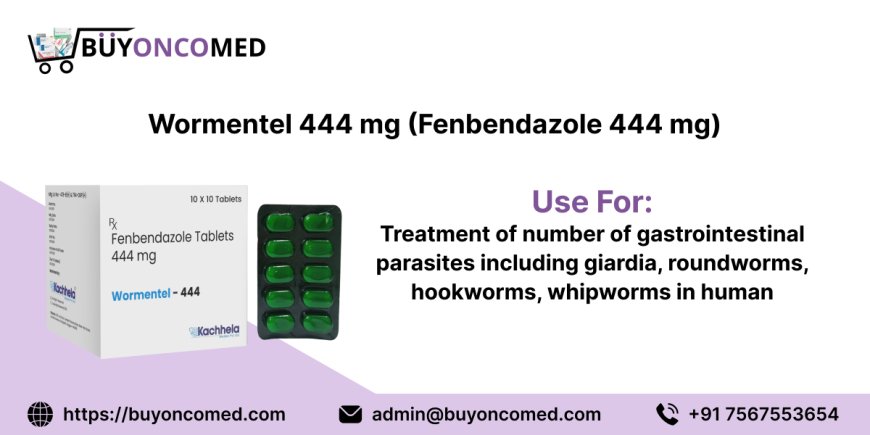
Fenbendazole is a broad-spectrum benzimidazole anti-parasitic drug commonly used in veterinary medicine to treat roundworms, hookworms, whipworms, and certain types of tapeworms. It works by disrupting the metabolism of parasitic cells, causing them to die.
Chemical name: Methyl N-(6-phenylsulfanyl-1H-benzimidazol-2-yl)carbamate
Brand Names: Panacur, Safe-Guard
Human Use: Off-label, under physician guidance for research or compassionate use.
How Did Fenbendazole Enter the Cancer Scene?
The story began with Joe Tippens, an American cancer survivor who claimed that fenbendazole helped him beat terminal lung cancer after standard therapies failed. His blog and public appearances went viral, leading to a global movement among alternative health seekers.
This was followed by increased anecdotal reports, preclinical research, and mounting curiosity from the scientific community. Though not yet approved by the FDA for cancer treatment, the interest in fenbendazole continues to grow.
Scientific Research on Fenbendazole and Cancer
? 1. Microtubule Disruption
Fenbendazole binds to ?-tubulin, impairing the formation of microtubules, crucial structures in cell division. Cancer cells, which divide uncontrollably, are highly sensitive to this type of disruption.
? 2. Inducing Apoptosis
Studies have shown that fenbendazole 500 can induce apoptosis (programmed cell death) in tumor cells without harming normal cells.
? 3. Inhibiting Glucose Uptake
Cancer cells rely on glycolysis (sugar consumption). Fenbendazole interferes with glucose metabolism, effectively "starving" cancer cells.
? 4. Anti-Angiogenesis Effect
Preliminary research suggests that it may inhibit angiogenesis the formation of new blood vessels that tumors need to grow.
Key Studies Supporting Fenbendazoles Cancer Potential
- Dogra et al., 2020 Fenbendazole acts as a moderate microtubule destabilizing agent and causes cancer cell death through apoptosis.
- National Cancer Institute Ongoing trials exploring repurposed drugs, including benzimidazoles.
- University of Texas MD Anderson Cancer Center Investigating off-label use of veterinary anthelmintics for oncology.
Fenbendazole Cancer Protocol (Unofficial)
Though no official dosing guideline exists for humans, a commonly referenced protocol includes:
- Fenbendazole 222 mg (1 tablet) daily for 3 consecutive days, then 4 days off.
- Taken with food, preferably fatty foods for absorption.
- Combined with vitamin E, curcumin (turmeric), and CBD oil to support efficacy and immune modulation.
This is NOT medical advice. Always consult a licensed healthcare provider before beginning any off-label or experimental treatment.
What Types of Cancer Are Being Targeted?
Based on anecdotal and early experimental data, the following cancers have been explored with fenbendazole:
- Lung Cancer (NSCLC)
- Colorectal Cancer
- Breast Cancer
- Prostate Cancer
- Pancreatic Cancer
- Glioblastoma (brain cancer)
These are by no means conclusive but suggest that fenbendazole may have broad anti-cancer activity due to its mechanism of action.
Side Effects
Fenbendazole 444 is generally well-tolerated in animals, and early human use reports echo similar findings. However, long-term safety in humans has not been established.
Possible Side Effects (Rare):
- Mild diarrhea or stomach discomfort
- Elevated liver enzymes (with long-term use)
- Allergic reactions (extremely rare)
Avoid If You Have:
- Liver disease
- Pregnancy or breastfeeding status
- Hypersensitivity to benzimidazoles
Regular liver function monitoring is advised for prolonged use.
Why Are People Turning to Fenbendazole for Cancer?
- Lack of response to conventional treatment
- Cost-effectiveness (Much cheaper than most cancer drugs)
- Anecdotal success stories
- Interest in integrative or alternative therapies
- Emerging scientific curiosity and hope
Medical Communitys Standpoint
While mainstream oncology has not yet embraced fenbendazole, there is increasing openness to repurposed drugs in cancer therapy. Many doctors emphasize that it should never replace conventional treatment, but may warrant further research.
Dr. Raymond Chang, a proponent of integrative oncology, has stated:
"The concept of repositioning safe veterinary drugs with human molecular targets is not far-fetched. It deserves scientific validation."
FAQs:
Q1: Is fenbendazole FDA-approved for cancer?
A: No. It's only approved for parasitic infections in animals. Any human use is off-label.
Q2: Can I take fenbendazole while on chemotherapy?
A: Consult your oncologist. Some reports combine both safely, but its essential to monitor liver function and drug interactions.
Q3: Where can I buy fenbendazole for cancer use?
A: It is available in veterinary formulations (e.g., Panacur). However, sourcing pharmaceutical-grade versions is ideal for human use under supervision.
Q4: Is there any clinical trial for fenbendazole in humans?
A: As of 2025, limited trials are ongoing or in planning phases. More robust human studies are needed.
Conclusion:
Fenbendazole 150mg offers a compelling mix of affordability, safety, and preliminary anti-cancer evidence. While it's not yet a cure or mainstream treatment, its popularity underscores a growing shift toward integrative and repurposed therapies.
If youre exploring alternative cancer treatments, fenbendazole could be a low-risk, promising addition but always under medical guidance.
Get more information Visit Buyoncomed.