




















How a Healthcare Software Development Company Enhances Data Security?
Discover how a healthcare software development company enhances data security with advanced encryption, secure workflows, and strict regulatory compliance.

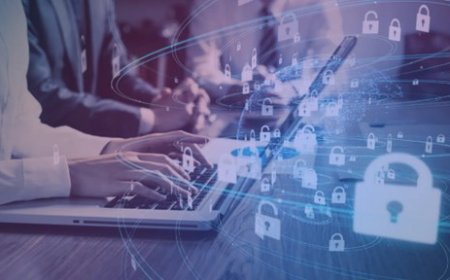
In the modern healthcare world, protecting patient data is more important than ever. With the increasing use of digital tools such as electronic health records (EHR), telemedicine apps, and wearable devices, a vast amount of sensitive information is stored and shared online. This puts healthcare data at risk of cyberattacks and breaches. Thats why healthcare software development companies play a vital role in building secure systems that protect this data.
Healthcare providers rely heavily on software solutions to manage patient information, appointments, billing, and communication. But if these systems are not secure, patient privacy can be compromised, and the organization may face legal and financial consequences. This blog will explain how a healthcare software development company enhances data security by using advanced technology, following best practices, and staying updated with the latest regulations.
Why Data Security Matters in Healthcare
Healthcare data is extremely sensitive because it contains personal details such as medical history, test results, prescriptions, and sometimes financial information. If this data falls into the wrong hands, it can lead to identity theft, insurance fraud, and even harm to the patients health or reputation.
Hospitals, clinics, and other healthcare providers have become major targets for cybercriminals because they often have large volumes of valuable data but sometimes lack strong security measures. Data breaches not only affect patients but can also damage the reputation and trustworthiness of healthcare organizations. This makes data security a top priority for everyone involved in healthcare.
The Role of Healthcare Software Development Companies
Healthcare software development companies specialize in creating digital solutions tailored to meet the unique needs of the healthcare industry. They understand the critical importance of data security and design software that not only improves healthcare operations but also safeguards patient information.
From the initial planning phase to deployment and maintenance, these companies implement security measures to protect data at every step. They also ensure that the software complies with industry regulations like HIPAA (Health Insurance Portability and Accountability Act) and GDPR (General Data Protection Regulation), which set legal standards for protecting health information.
Key Ways Healthcare Software Development Companies Enhance Data Security
1. Building Secure Software Architecture
A secure software architecture is the foundation for protecting healthcare data. Development companies design systems with multiple layers of security rather than relying on a single method. This approach, known as defense in depth, ensures that if one layer is compromised, others will still protect the data.
For example, the software may include firewalls, intrusion detection systems, secure coding practices, and encrypted databases all working together to prevent unauthorized access.
2. Implementing Data Encryption
Encryption is the process of converting data into a coded form that only authorized users can read. Healthcare software development companies ensure that patient data is encrypted both while stored on servers (at rest) and while being transmitted over networks (in transit).
By using strong encryption standards like AES (Advanced Encryption Standard), they make sure that even if cybercriminals manage to intercept the data, it remains unreadable and useless.
3. Using Role-Based Access Control (RBAC)
Not every employee needs access to all patient information. Healthcare software developers implement Role-Based Access Control, which limits what data a user can see or modify based on their job role.
For instance, doctors may have full access to patient records, while billing staff can only access payment information. This minimizes the risk of internal data misuse or accidental leaks.

4. Enforcing Multi-Factor Authentication (MFA)
Passwords alone are not enough to protect sensitive healthcare data. Development companies integrate Multi-Factor Authentication into their software, requiring users to verify their identity through multiple methods, such as a password plus a code sent to their phone.
MFA significantly reduces the chances of unauthorized access even if login credentials are stolen.
5. Securing APIs and Integrations
Healthcare software often needs to connect with other systems like pharmacies, laboratories, insurance companies, or wearable devices. Software development companies build secure APIs (Application Programming Interfaces) that allow this data exchange while maintaining encryption and verifying identities.
They also use industry standards like HL7 and FHIR to ensure compatibility and secure communication between different platforms.
6. Continuous Monitoring and Threat Detection
Security doesnt stop once the software is launched. Healthcare software developers incorporate monitoring tools that constantly watch for unusual activity, such as multiple failed login attempts or unexpected data transfers.
Using artificial intelligence (AI) and machine learning, these tools can detect and respond to threats quickly, reducing the damage caused by cyberattacks.
7. Regular Security Testing and Updates
Healthcare software development companies perform thorough security testing before releasing their products. This includes penetration testing, vulnerability scanning, and code reviews to identify and fix any weaknesses.
They also provide regular updates and patches to keep the software protected against new threats and comply with the latest security standards.
8. Educating Clients on Best Practices
Software companies often work closely with healthcare providers to educate them about data security best practices. This includes training staff on secure password use, recognizing phishing attempts, and following proper protocols for handling patient data.
This human element is crucial because even the most secure software can be vulnerable if users dont follow security guidelines.
Compliance and Its Connection to Data Security
Healthcare software development companies must ensure that their solutions comply with relevant regulations. Compliance not only protects patient privacy but also reduces the risk of costly fines and legal issues for healthcare organizations.
HIPAA Compliance
In the United States, HIPAA sets strict rules for handling protected health information (PHI). Software must support features like encrypted data storage, audit trails, access controls, and secure communication channels.
Healthcare software developers build these features into their solutions to help clients meet HIPAA requirements.
GDPR Compliance
For healthcare organizations in Europe, the GDPR regulates the processing and storage of personal data. It emphasizes transparency, patient consent, data minimization, and the right to be forgotten.
Developers create software with consent management tools, data anonymization, and user rights management to comply with GDPR.
Read more: How Healthcare Software Development Improves Data Security and Compliance?
Emerging Technologies Helping Healthcare Data Security
Healthcare software companies are adopting new technologies to enhance security even further.
Blockchain Technology
Blockchain offers a secure and transparent way to record transactions and data exchanges. By using decentralized ledgers, blockchain helps prevent data tampering and unauthorized changes, improving trust in healthcare records.
Artificial Intelligence (AI)
AI-powered security tools analyze network activity to identify suspicious behavior faster than humans can. This helps detect cyberattacks early and automate responses to potential threats.
Cloud Security Solutions
Many healthcare systems now use cloud computing, which offers scalability and flexibility. Software development companies implement strong cloud security measures, including encrypted storage, secure access controls, and compliance checks, to protect data in the cloud environment.
The Importance of Partnering with a Skilled Healthcare Software Development Company
Choosing the right development company is crucial for healthcare organizations aiming to secure their patient data. A skilled company understands the healthcare industry's unique challenges and legal requirements. They follow secure development practices, conduct rigorous testing, and provide ongoing support.
By partnering with experts, healthcare providers can ensure their software solutions are reliable, safe, and capable of protecting sensitive information against modern cyber threats.
Conclusion
As healthcare continues to digitize, data security remains a top concern for providers and patients alike. Healthcare software development companies enhance data security by designing systems with advanced protection features such as encryption, role-based access, multi-factor authentication, and continuous monitoring. They also help organizations meet important legal compliance standards like HIPAA and GDPR.
By integrating emerging technologies like blockchain and AI, these companies further strengthen healthcare software against cyber risks. Working with an experienced development partner ensures that healthcare providers can confidently adopt digital tools while keeping patient data safe and secure.
Partnering with a trusted team offering on demand app development services enables healthcare organizations to build future-ready software solutions tailored to their needs, with robust security and compliance baked in from the start.
FAQs
How does encryption protect healthcare data?
Encryption converts data into a coded form that only authorized users can access, preventing hackers from reading sensitive information even if they intercept it.
What is role-based access control (RBAC) in healthcare software?
RBAC restricts users access to data based on their roles, ensuring that employees only see the information necessary for their job functions.
Why is multi-factor authentication important for healthcare apps?
MFA adds extra verification steps beyond passwords, making it much harder for unauthorized users to access accounts.
How do healthcare software companies ensure regulatory compliance?
They build features like audit trails, consent management, and data encryption into their software to meet legal requirements such as HIPAA and GDPR.
Can AI help improve data security in healthcare software?
Yes, AI tools can monitor network activity in real time to detect unusual behavior and respond quickly to potential security threats.