























How Ranitidine Works to Reduce Stomach Acid
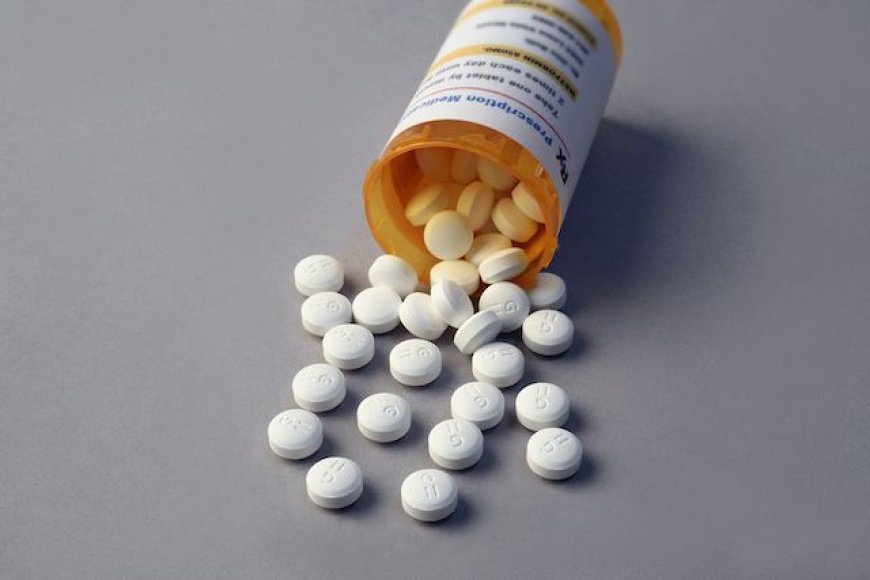
Acid-related digestive disorders such as heartburn, acid reflux, indigestion, and stomach ulcers affect millions of people worldwide. These conditions are often linked to excessive stomach acid production, which can damage the lining of the stomach and esophagus. One of the most widely used medications for controlling stomach acid used to be Ranitidine 150 mg, a drug that became a household name for managing gastrointestinal discomfort.
Though now largely withdrawn from markets due to safety concerns, understanding how ranitidine works to reduce stomach acid is essential for grasping how acid-suppressing therapies operate and why similar medications continue to play a vital role in digestive health.
What Is Ranitidine?
Ranitidine is a histamine H2-receptor antagonist, commonly referred to as an H2 blocker. It was originally introduced in the 1980s under the brand name Zantac and quickly gained popularity as an effective, fast-acting treatment for:
-
Heartburn
-
Acid reflux (GERD)
-
Peptic ulcers
-
Zollinger-Ellison syndrome
-
Indigestion
By reducing the amount of acid produced in the stomach, ranitidine helped relieve symptoms and promoted healing of acid-damaged tissues.
The Basics of Stomach Acid Production
To understand how ranitidine works, it helps to know how stomach acid is produced in the first place.
Key Components:
-
Parietal cells in the stomach lining produce hydrochloric acid (HCl).
-
This acid plays a critical role in digestion by:
-
Breaking down food
-
Activating digestive enzymes (like pepsin)
-
Killing harmful bacteria and pathogens
-
However, when acid production is too high, or when acid escapes into the esophagus, it can lead to:
-
Heartburn
-
Inflammation
-
Ulcer formation
Histamine and H2 Receptors: The Acid Trigger
Stomach acid production is regulated by three main chemical messengers:
-
Gastrin
-
Acetylcholine
-
Histamine
Among these, histamine plays a key role. When histamine binds to H2 receptors on the parietal cells, it stimulates the secretion of hydrochloric acid.
How Ranitidine Works: Step-by-Step
Ranitidine targets this histamine pathway.
1. Blocks H2 Receptors
-
Ranitidine binds to the H2 receptors on the parietal cells in the stomach lining.
-
This blocks histamine from attaching to these receptors.
2. Reduces Acid Production
-
Without histamine signaling, parietal cells reduce their acid output.
-
The volume and acidity of stomach secretions decrease.
3. Relieves Symptoms
-
Lower acid levels reduce irritation to the stomach and esophageal lining.
-
This provides relief from:
-
Heartburn
-
Sour stomach
-
Acid reflux
-
Pain from ulcers
-
Onset and Duration of Action
-
Onset: Ranitidine usually starts working within 30 to 60 minutes after ingestion.
-
Peak effect: Reaches its peak acid-suppressing activity in 1 to 3 hours.
-
Duration: Effects can last up to 12 hours, which is why it was often taken twice daily.
This made it convenient for people with chronic acid reflux or night-time heartburn.
Conditions Treated by Ranitidine
-
Gastroesophageal Reflux Disease (GERD)
Ranitidine helps manage GERD by preventing acid from backing up into the esophagus. -
Peptic Ulcers
It supports ulcer healing by reducing acid that would otherwise delay recovery. -
Zollinger-Ellison Syndrome
A rare condition where tumors cause excessive acid productionranitidine helps control the symptoms. -
Stress Ulcers in Hospitals
Used to prevent ulcers in critically ill or hospitalized patients.
Advantages of Ranitidine (When in Use)
-
Rapid onset: Relieves symptoms quickly compared to some alternatives.
-
Well-tolerated: Fewer serious side effects in short-term use.
-
No need for food timing: Could be taken with or without meals.
-
Safer for short-term use: Was often preferred over stronger acid suppressors for milder conditions.
Safety Concerns and Market Withdrawal
In 20192020, the U.S. FDA and international health authorities found that ranitidine products contained NDMA (N-Nitrosodimethylamine), a potential human carcinogen. This impurity was found to increase over time, especially when stored in hot environments.
As a result:
-
Most ranitidine products were voluntarily withdrawn from the market.
-
The FDA requested all manufacturers to remove ranitidine from shelves in April 2020.
-
Patients were advised to switch to safer alternatives, such as famotidine (Pepcid).
Alternatives to Ranitidine
Several other medications are now commonly used in place of ranitidine:
1. Famotidine (Pepcid)
-
Another H2 blocker with a similar mechanism.
-
Does not carry the same NDMA concerns.
2. Proton Pump Inhibitors (PPIs)
-
Include omeprazole, lansoprazole, pantoprazole.
-
More powerful acid suppressors, ideal for chronic GERD and severe ulcers.
-
Longer onset but longer duration.
3. Lifestyle Changes
-
Elevating the head of the bed
-
Avoiding spicy or acidic foods
-
Eating smaller meals
-
Quitting smoking or alcohol
Is Ranitidine Coming Back?
As of now, ranitidine remains off the market in most countries. Some pharmaceutical companies are working on developing NDMA-free formulations, but reintroduction will depend on regulatory approvals and safety testing.
If you're seeking alternatives or still have older ranitidine at home, its best to:
-
Dispose of it safely (not down the toilet)
-
Consult your doctor or pharmacist for a suitable replacement
Conclusion
Ranitidine was once a cornerstone medication for reducing stomach acid and treating a wide range of digestive conditions. It worked by blocking histamine H2 receptors on parietal cells, thereby reducing acid secretion and relieving symptoms of acid-related disorders.
Although its market withdrawal was necessary for safety, the mechanism by which ranitidine worked laid the groundwork for other H2 blockers and continues to influence current acid-reducing therapies. If youre experiencing frequent heartburn, indigestion, or GERD, modern alternatives like famotidine or PPIs are safe and effectivebut always consult a healthcare provider for guidance.