













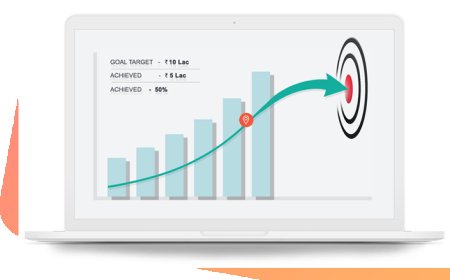










How should an organization monitor and measure OH&S performance?
Occupational Health and Safety (OH&S) is a critical component of an organization’s management system. Ensuring the safety and well-being of employees not only enhances productivity but also strengthens legal compliance and corporate reputation. To achieve continuous improvement in OH&S, it is essential for organizations to monitor and measure performance effectively. This is a key requirement of the ISO 45001 Certification in Dubai, the internationally recognized standard for OH&S management systems.
Occupational Health and Safety (OH&S) is a critical component of an organizations management system. Ensuring the safety and well-being of employees not only enhances productivity but also strengthens legal compliance and corporate reputation. To achieve continuous improvement in OH&S, it is essential for organizations to monitor and measure performance effectively. This is a key requirement of the ISO 45001 Certification in Dubai, the internationally recognized standard for OH&S management systems.
Importance of Monitoring and Measuring OH&S Performance
Monitoring and measuring OH&S performance allows organizations to:
-
Identify hazards and assess risks.
-
Evaluate the effectiveness of implemented controls.
-
Ensure compliance with legal and regulatory requirements.
-
Make data-driven decisions for improvement.
-
Engage stakeholders through transparent performance reporting.
With the support of ISO 45001 Consultants in Dubai, companies can develop a tailored strategy to effectively track OH&S metrics, ensuring alignment with organizational goals and compliance obligations.
Key Steps to Monitor and Measure OH&S Performance
1. Define OH&S Objectives and KPIs
The first step is setting measurable OH&S objectives aligned with the organizations policy. These could include:
-
Reduction in the number of work-related injuries and illnesses.
-
Improvement in safety training compliance.
-
Increase in the number of risk assessments conducted.
Key Performance Indicators (KPIs) should be SMART (Specific, Measurable, Achievable, Relevant, and Time-bound). These metrics provide a clear picture of OH&S performance trends.
2. Implement a Monitoring System
Organizations should establish a systematic approach to collect and analyze OH&S data. This includes:
-
Regular workplace inspections and audits.
-
Observation of work practices and employee behavior.
-
Environmental monitoring (noise, air quality, etc.).
-
Health surveillance of workers.
Using digital tools and software for data collection improves accuracy and allows real-time tracking.
3. Internal and External Audits
Conducting regular internal audits ensures that the OH&S management system functions effectively. Additionally, third-party audits conducted as part of ISO 45001 Services in Dubai provide an unbiased evaluation of the systems performance and identify areas for improvement.
4. Incident and Near-Miss Reporting
Capturing and analyzing incidents and near-misses is vital. This process helps in:
-
Identifying root causes.
-
Preventing recurrence.
-
Improving hazard control measures.
Organizations should encourage a reporting culture where employees are motivated to share safety concerns without fear of retribution.
5. Employee Involvement and Feedback
Employees play a crucial role in OH&S. Their involvement in safety committees, risk assessments, and feedback sessions provides valuable insights into real-time challenges and opportunities for improvement.
6. Review Legal and Compliance Requirements
Organizations must ensure continuous compliance with local OH&S laws and regulations. Monitoring changes in legal requirements and integrating them into existing practices is essential for avoiding penalties and improving workplace safety.
7. Performance Reviews and Management Review
All collected data and findings should be reviewed periodically by top management. This review should assess the effectiveness of the OH&S management system and determine the need for changes or improvements.
Conclusion
Monitoring and measuring OH&S performance is not just about compliance its about creating a safe and supportive environment where employees can thrive. By implementing structured processes, defining meaningful KPIs, involving employees, and leveraging expert guidance from ISO 45001 Consultants in Dubai, organizations can significantly enhance their safety performance.
Achieving ISO 45001 Certification in Dubai demonstrates a companys commitment to high safety standards and continual improvement. With the right ISO 45001 Services in Dubai, businesses can build a resilient safety culture that safeguards both their workforce and their reputation.