


















How Should I Care for My Skin After a Laser Scar Removal Session?
Laser scar removal represents one of the most advanced dermatological treatments available today, utilizing concentrated light energy to target and break down scar tissue while stimulating the body's natural healing response. The process works by creating controlled micro-injuries to the skin

Understanding the Healing Process After Laser Scar Removal
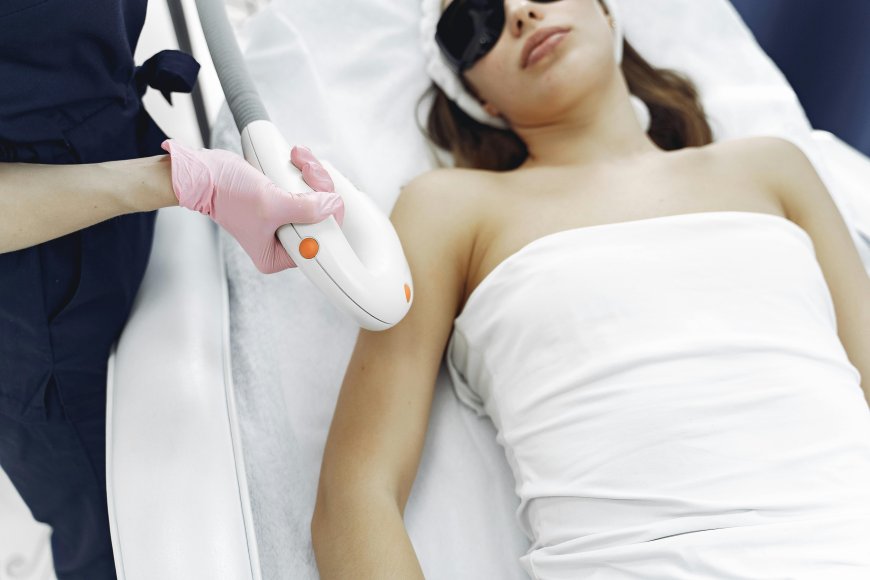
Laser scar removal represents one of the most advanced dermatological treatments available today, utilizing concentrated light energy to target and break down scar tissue while stimulating the body's natural healing response. The process works by creating controlled micro-injuries to the skin, which triggers the production of new collagen and elastin fibers. This biological response is essential for skin regeneration, but it also means that your skin will be in a vulnerable state for several weeks following treatment.
The healing process occurs in distinct phases, each requiring specific care considerations. During the inflammatory phase, which typically lasts the first few days, your skin will be red, swollen, and potentially tender to the touch. This is completely normal and indicates that your body is responding appropriately to the treatment. The proliferative phase follows, during which new skin cells are rapidly generated and the treated area begins to rebuild itself. Finally, the maturation phase can last several months, during which the new skin continues to strengthen and improve in appearance.
Understanding this timeline helps set realistic expectations and emphasizes why consistent, proper aftercare is crucial for achieving optimal results. Each phase requires different care approaches, and failing to follow appropriate guidelines can lead to complications, delayed healing, or suboptimal outcomes.
Immediate Post-Treatment Care (First 24-48 Hours)
The first 24 to 48 hours after your laser scar removal session are absolutely critical for setting the foundation for successful healing. During this period, your skin is at its most vulnerable state, and the care you provide will significantly impact both the healing process and the final results of your treatment.
Immediately after treatment, your skin will likely appear red and feel warm, similar to a mild sunburn. This is a normal response to the laser energy and should not cause alarm. The treated area may also feel tight or slightly swollen, which is part of the natural inflammatory response. Some patients report a tingling or burning sensation that typically subsides within a few hours.
During these initial hours, keeping the treated area clean and protected is paramount. Your healthcare provider will likely apply a protective ointment or dressing immediately after treatment, which should remain in place for the specified duration. This initial protection helps prevent contamination and maintains optimal moisture levels for healing.
Temperature management is crucial during this period. Applying cool compresses can help reduce swelling and provide comfort, but these should be used gently and not applied directly to the skin. Wrap ice packs in a clean cloth and apply for 10-15 minutes at a time, with breaks between applications. Avoid using ice directly on the skin, as this can cause additional trauma to the already sensitive area.
Hydration becomes increasingly important during this phase, both topically and systemically. Drinking plenty of water helps support your body's natural healing processes from within. Topically, gentle, fragrance-free moisturizers can help maintain skin barrier function, but only use products specifically recommended by your healthcare provider.
Sleep positioning during the first few nights can also impact healing. If the treated area is on your face, sleeping with your head slightly elevated can help reduce swelling. Use clean pillowcases and avoid sleeping on the treated side if possible to minimize friction and potential irritation.
Short-Term Recovery Phase (Days 3-14)
The short-term recovery phase is characterized by visible changes in the treated area as your skin begins the active healing process. During this period, you may notice the formation of small scabs or crusts over the treated area. This is a normal part of the healing process and indicates that new skin is forming beneath the surface.
One of the most important aspects of care during this phase is resisting the urge to pick, scratch, or otherwise manipulate the healing skin. The scabs and crusts that form serve as natural protective barriers, and removing them prematurely can lead to infection, delayed healing, or even permanent scarring. If the area becomes itchy, which is common as healing progresses, gentle cooling or approved topical treatments can provide relief.
Cleansing during this phase requires a delicate balance between maintaining cleanliness and avoiding disruption of the healing process. Use only the mildest, fragrance-free cleansers recommended by your healthcare provider. Gently pat the area dry with a clean towel rather than rubbing, which can cause irritation or dislodge protective scabs.
Moisturizing becomes even more critical during this phase as your skin works to repair itself. The new skin forming beneath the surface needs adequate hydration to develop properly. Apply recommended moisturizers gently, using clean hands or cotton swabs to avoid introducing bacteria to the healing area.
Sun protection is absolutely essential during this phase and cannot be overstated. The new skin forming is extremely sensitive to UV radiation, and even minimal sun exposure can cause hyperpigmentation or other complications. If you must go outside, the treated area should be covered with clothing or a physical barrier. Chemical sunscreens should be avoided on the treated area during this sensitive period.
As the healing progresses, you may notice changes in skin texture and color. The treated area might appear lighter or darker than the surrounding skin, which is typically temporary as the new skin continues to mature. Some patients experience a slightly raised or bumpy texture, which usually smooths out over time with proper care.
Long-Term Maintenance and Protection
Long-term success after laser scar removal depends heavily on consistent, appropriate care that extends well beyond the initial healing period. The new skin that forms following treatment will continue to mature and improve for months, and the care you provide during this extended period significantly influences the final results.
Sun protection remains the single most important aspect of long-term care. The new skin is more susceptible to UV damage for up to a year following treatment, and adequate protection is essential for preventing hyperpigmentation and maintaining the improvements achieved through treatment. This means daily application of broad-spectrum SPF 30 or higher sunscreen, even on cloudy days or when spending time indoors near windows.
Moisturizing continues to play a crucial role in long-term skin health. Well-hydrated skin heals better and maintains its appearance longer. Choose moisturizers that support skin barrier function and contain ingredients like ceramides, hyaluronic acid, or peptides that promote skin health. The specific products used may evolve as your skin heals, so regular consultation with your healthcare provider can help optimize your routine.
Regular gentle exfoliation can help improve skin texture and appearance as healing progresses, but this should only be introduced after complete healing and with professional guidance. Chemical exfoliants are typically preferred over physical scrubs, as they provide more controlled and gentle removal of dead skin cells.
Monitoring the treated area for any changes or concerns is an important part of long-term care. While most patients experience excellent results, being aware of normal healing progression versus potential complications helps ensure prompt attention to any issues that may arise.
Common Side Effects and How to Manage Them
Understanding and properly managing common side effects of laser scar removal is essential for optimal healing and patient comfort. While serious complications are rare when proper aftercare is followed, several mild to moderate side effects are considered normal parts of the healing process.
Redness and swelling are among the most common immediate side effects, typically appearing within hours of treatment and potentially lasting several days to weeks. The intensity and duration of these effects vary based on the type of laser used, the depth of treatment, and individual healing characteristics. Managing these effects involves gentle cooling techniques, keeping the head elevated when resting, and following prescribed anti-inflammatory protocols.
Discomfort or pain is another common experience, often described as similar to a sunburn. This typically peaks within the first 24-48 hours and gradually subsides. Over-the-counter pain relievers may be recommended, but always follow your healthcare provider's specific instructions regarding pain management.
Itching often develops as healing progresses and can be one of the most challenging aspects of recovery for many patients. This sensation indicates that healing is occurring but can be intense and persistent. Gentle cooling, approved topical treatments, and distraction techniques can help manage itching without compromising healing.
Temporary changes in skin pigmentation are relatively common, with the treated area potentially appearing lighter or darker than surrounding skin. These changes are usually temporary and resolve as the skin continues to mature, but they can persist for several months. Proper sun protection is crucial for minimizing the risk of permanent pigmentation changes.
Dryness and flaking of the skin are expected as the healing process progresses. This occurs as damaged skin cells are shed and replaced with new tissue. Gentle moisturizing helps manage these effects while supporting the healing process.
Some patients experience temporary changes in skin texture, with the treated area feeling rougher or smoother than expected. These changes typically improve over time as the skin continues to remodel and mature.
What to Avoid During Recovery
Understanding what to avoid during the recovery period is just as important as knowing what to do. Certain activities, products, and behaviors can significantly impact healing and potentially compromise your results.
Direct sun exposure is perhaps the most critical thing to avoid during recovery. Even brief exposure to sunlight can cause complications, including hyperpigmentation, delayed healing, or increased scarring. This restriction extends beyond obvious outdoor activities to include exposure through windows, reflected light, and even some indoor lighting sources.
Hot water and steam should be avoided for the first several days to weeks following treatment. This includes hot showers, baths, saunas, steam rooms, and hot tubs. Heat can increase inflammation and potentially interfere with the healing process. When cleansing the treated area, use lukewarm water and gentle techniques.
Strenuous physical activity that causes sweating should be avoided during the initial healing phase. Sweat can irritate healing skin and potentially introduce bacteria to the treated area. Light activities that don't cause significant sweating are generally acceptable, but always follow your healthcare provider's specific activity recommendations.
Harsh skincare products and treatments should be completely avoided during recovery. This includes products containing alcohol, retinoids, alpha hydroxy acids, beta hydroxy acids, and other active ingredients that can irritate healing skin. Even products you normally use without issue may be too harsh for post-treatment skin.
Picking, scratching, or otherwise manipulating the healing skin can lead to infection, scarring, or delayed healing. This includes removing scabs, popping any bumps or blisters that may form, or excessive touching of the treated area.
Makeup and cosmetic products should generally be avoided on the treated area until complete healing has occurred. These products can clog pores, interfere with healing, or introduce bacteria to the vulnerable skin.
When to Contact Your Healthcare Provider
Recognizing when to seek professional medical attention is crucial for preventing complications and ensuring optimal healing outcomes. While most patients experience uncomplicated recovery, certain signs and symptoms warrant immediate professional evaluation.
Signs of infection require prompt attention and may include increasing redness that spreads beyond the treated area, warmth that increases rather than decreases over time, pus or unusual discharge, red streaking extending from the treated area, or fever. These symptoms can indicate bacterial infection that requires antibiotic treatment.
Unusual or severe pain that worsens rather than improves over time should be evaluated. While some discomfort is normal, severe or increasing pain may indicate complications requiring professional intervention.
Allergic reactions to prescribed medications or topical treatments can occur and may present as widespread rash, severe itching, swelling of the face or throat, or difficulty breathing. These symptoms require immediate medical attention.
Delayed healing or signs that recovery is not progressing as expected should be discussed with your healthcare provider. This might include lack of improvement in appearance after several weeks, increasing size or depth of treated areas, or persistent symptoms beyond the expected timeframe.
Excessive or prolonged swelling, particularly if it interferes with normal activities or doesn't respond to standard management techniques, should be evaluated. While some swelling is normal, excessive or persistent swelling may indicate complications.
Changes in vision, if the treated area is near the eyes, require immediate evaluation. Any vision changes following facial laser treatments should be considered a medical emergency.
Optimizing Results Through Proper Care
Achieving optimal results from laser scar removal requires more than just avoiding complications; it involves actively supporting the healing process through informed care decisions and consistent attention to detail. The quality of your aftercare directly influences both the speed of healing and the final appearance of the treated area.
Consistency in following care instructions is perhaps the most important factor in optimizing results. This means adhering to prescribed routines even when you feel the treated area looks good or when symptoms have resolved. The healing process continues well beyond the point where visible improvements become apparent.
Nutrition plays a significant role in healing and can be optimized to support recovery. Adequate protein intake is essential for tissue repair and new skin formation. Vitamin C supports collagen production, which is crucial for proper scar healing. Zinc and vitamin E also play important roles in skin healing and can be incorporated through diet or supplements as recommended by your healthcare provider.
Hydration, both internal and external, supports optimal healing. Drinking adequate water helps maintain skin elasticity and supports cellular processes involved in healing. External hydration through appropriate moisturizers helps maintain skin barrier function and creates optimal conditions for healing.
Stress management can impact healing outcomes, as chronic stress can interfere with immune function and slow healing processes. Incorporating stress-reduction techniques such as meditation, gentle exercise, or other relaxation practices can support overall healing.
Sleep quality affects healing, as much of the body's repair work occurs during rest. Ensuring adequate, quality sleep supports immune function and tissue repair processes essential for optimal healing.
Lifestyle Modifications for Better Healing
Certain lifestyle modifications can significantly enhance healing outcomes and help maintain the benefits of laser scar removal treatment. These changes support your body's natural healing processes and create optimal conditions for skin regeneration.
Dietary modifications can support healing through providing essential nutrients and avoiding foods that may promote inflammation. Anti-inflammatory foods such as fatty fish, leafy greens, berries, and nuts can support healing processes. Avoiding excessive sugar, processed foods, and alcohol can help minimize inflammation and support immune function.
Smoking cessation is crucial for optimal healing, as smoking significantly impairs blood flow and oxygen delivery to healing tissues. Even if you don't smoke regularly, avoiding tobacco products completely during the healing period is essential. Secondhand smoke exposure should also be minimized.
Exercise modifications help balance the benefits of physical activity with the need to protect healing skin. While strenuous exercise should be avoided initially, gentle activities that promote circulation without causing sweating can support healing. Walking, gentle stretching, and other low-impact activities are typically appropriate.
Environmental modifications can support healing by reducing exposure to irritants and maintaining optimal conditions for recovery. This might include using air purifiers to reduce allergens, maintaining appropriate humidity levels, and minimizing exposure to harsh chemicals or pollutants.
Long-Term Skin Health After Treatment
Maintaining long-term skin health after laser scar removal involves establishing sustainable routines that protect and enhance the improvements achieved through treatment. This ongoing care helps ensure that results continue to improve over time and that the benefits of treatment are maintained.
Developing a comprehensive skincare routine that addresses your skin's specific needs becomes increasingly important as healing progresses. This routine should be developed in consultation with your healthcare provider and may evolve as your skin continues to heal and mature.
Regular follow-up appointments allow for monitoring of healing progress and adjustment of care routines as needed. These appointments provide opportunities to address any concerns, optimize care routines, and plan for any additional treatments that may be beneficial.
Protection from environmental damage remains important long-term, not just during the initial healing period. This includes ongoing sun protection, protection from harsh weather conditions, and minimizing exposure to pollutants and other environmental stressors.
Maintaining overall health through proper nutrition, regular exercise, adequate sleep, and stress management continues to support skin health and appearance long after treatment. These lifestyle factors contribute to ongoing skin health and can help maintain the benefits of laser scar removal treatment.
Understanding that results continue to improve over time helps set appropriate expectations and encourages consistent care. The full benefits of laser scar removal may not be apparent for several months to a year after treatment, and ongoing proper care supports this continued improvement.
Regular skin examinations and professional maintenance treatments may be recommended to maintain and enhance results over time. These might include periodic laser treatments, professional skincare treatments, or other interventions based on your individual needs and goals.
By following comprehensive aftercare guidelines and maintaining long-term skin health practices, patients can achieve optimal results from laser scar removal treatment and enjoy improved skin appearance and texture for years to come. The investment in proper care during the healing period pays dividends in both the quality of results and the longevity of improvements achieved through treatment.