
























How to Tune Your Subwoofer for Maximum Impact Without Distortion

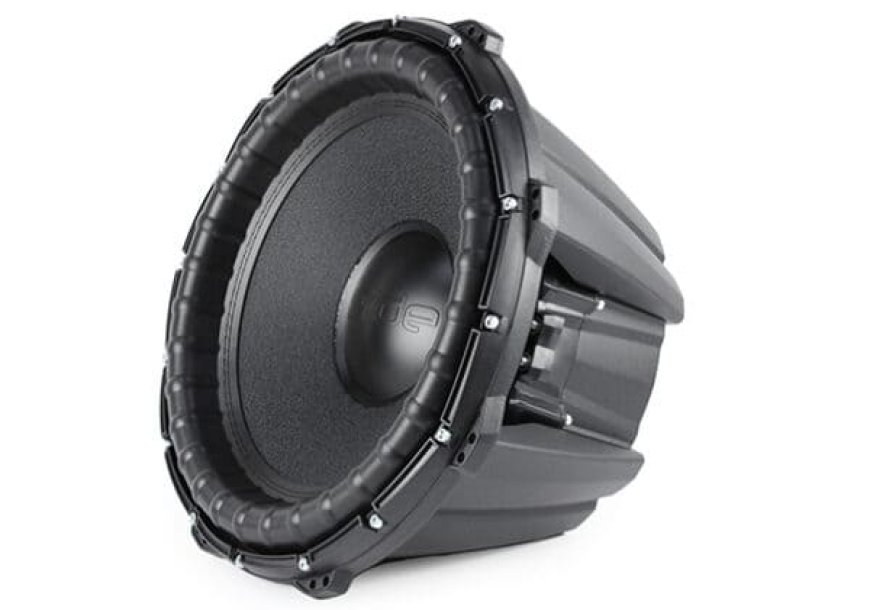
A subwoofer is the heart of your cars low-end audio. Its what brings that chest-thumping bass and rich, full-bodied sound to life. But even the most powerful subwoofer wont sound right if its not properly tuned. In fact, an untuned or poorly tuned subwoofer can introduce distortion, muddiness, or even permanent damage to your gear.
So how do you tune a subwoofer for maximum impactwithout sacrificing clarity or pushing it beyond its limits?
This guide will walk you through the process step by step, including gain settings, crossover points, phase adjustments, and how the rest of your systemlike midrange drivers such as the ap-m61se profits into achieving a clean, powerful, distortion-free setup.
Why Subwoofer Tuning Is Essential
Subwoofers are designed to handle low frequencies, but raw power isnt enough. If the signal feeding your sub is too strong, too broad in frequency, or out of sync with the rest of your system, it can lead to:
-
Clipping and distortion
-
Overheating or damaged coils
-
Boomy, undefined bass
-
A disconnected or uneven soundstage
Proper tuning ensures your sub plays only what it shouldno more, no lessresulting in tight, impactful bass that complements your mids and highs.
Step 1: Start with the Right Equipment Setup
Before tuning, make sure the basics are in place:
-
A properly powered subwoofer with a matching amplifier
-
Quality RCA cables and speaker wiring
-
A sealed or ported enclosure that suits your sub
-
Full-range speakers to support mids and highs (for example, something like the ap-m61se pro for articulate midrange)
Now youre ready to begin the tuning process.
Step 2: Set the Gain Correctly
Gain is not volume. Setting it too high is the #1 reason for distortion in car audio systems.
How to Set It:
-
Turn your head unit volume to 75% (your maximum clean signal level).
-
Set sub amp gain to minimum.
-
Play a test tonetypically 50 Hz sine wave or a bass-heavy track.
-
Slowly increase gain until the bass sounds full but not distorted.
-
Back off slightly if you hear any breakup or notice speaker strain.
Optional Tool: Use a digital multimeter or oscilloscope for a precise setting based on your subs rated RMS power.
Step 3: Adjust the Low-Pass Filter (LPF)
Your subwoofer should only play low frequenciestypically under 80100 Hz. The LPF on your amplifier or DSP tells the subwoofer where to stop.
-
For tight, punchy bass: set LPF to around 80 Hz
-
For deeper, looser bass (if mids are strong): set LPF to 100 Hz
Let your full-range or midrange speakers handle the rest. A high-quality mid like the ap-m61se pro can comfortably cover the 80 Hz4 kHz range, keeping vocals and instruments clean and uncolored.
Step 4: Use a Subsonic Filter (for Ported Boxes)
If youre running a ported enclosure, a subsonic filter is your friend. It blocks frequencies below your ports tuning frequency, which your sub cant reproduce effectively and which can damage your system.
-
Example: If your port is tuned to 32 Hz, set the subsonic filter to 2830 Hz
-
This protects the sub from over-excursion and keeps output clean
Step 5: Phase Alignment
Subwoofer phase determines how its sound waves align with the rest of your speakers. When phase is off, bass can cancel out or feel loose.
Most amps include a 0/180 phase switch, but some offer variable phase control.
To check:
-
Play a bass-heavy track with punchy kick drums.
-
Flip the phase switch and see which setting gives more bass and better integration.
-
If using a processor, you can fine-tune phase by degrees.
Proper phase alignment makes the sub feel like a natural extension of your front stagenot a separate source of bass.
Step 6: Bass Boost (Use It Sparingly)
Many amps include a bass boost feature, typically centered around 4045 Hz. It may sound fun at first, but too much can quickly lead to distortion.
-
Set boost no higher than +3 to +6 dB
-
Always use it after setting gain and filters
-
Listen for signs of bloated or flabby bass and back off if needed
Boost only what your sub can handle, and avoid cranking it just to compensate for poor tuning.
Step 7: Fine-Tuning with Music
Once the technical settings are dialed in, its time to use your ears. Play a variety of real music, not just test tones.
Listen for:
-
Clarity and separation between bass and vocals
-
Tight response without boom or buzz
-
A seamless handoff between your subwoofer and midrange drivers
This is where a speaker like the ap-m61se pro can really shine. A properly tuned midrange complements the subs output, making transitions smooth and giving your system detail and punch at once.
If you hear overlap or holes in the soundstage, consider adjusting crossover points or EQ until everything blends naturally.
Step 8: Dont Forget Time Alignment and DSP (Optional)
If youre running a digital sound processor (DSP), you can go even further by applying time alignment, equalization, and phase correction across all speakers. This ensures the bass reaches your ears at the same time as mids and highsessential for stereo imaging and realism.
Even without a DSP, tuning your sub manually using the steps above will dramatically improve performance.
Common Mistakes to Avoid
-
Cranking gain to increase bass (always use EQ or system tuning instead)
-
Overlapping crossovers (causes muddy sound and distortion)
-
Skipping subsonic filter (especially with ported boxes)
-
Overusing bass boost (leads to clipping and thermal damage)
-
Ignoring system balance (midrange clarity is just as important)
Final Thoughts: Max Impact, Zero Distortion
Tuning your subwoofer isnt just about making it louderits about making it cleaner, tighter, and more impactful. With the right settings and a balanced system, you can achieve bass that feels powerful but never sloppy.
Remember, your subwoofer doesnt work alone. It depends on the rest of your speakersespecially your midsto create a cohesive soundstage. Choosing capable midrange drivers like the ap-m61se pro ensures your bass doesnt overpower the detail and dynamics of your music.
Because true bass performance isnt just about boomits about precision. And the better your subwoofer is tuned, the more immersive your ride becomes.