






















Ivercor 6mg: Clinical Evidence and Real-World Success

Ivercor 6mg, a widely recognized formulation of ivermectin, has garnered global attention for its effectiveness in combating parasitic infections. Originally developed for veterinary use, ivermectin quickly transitioned into human medicine due to its potent antiparasitic properties. Ivercor 6mg is one of the most trusted and accessible options today, especially in regions where parasitic diseases remain prevalent. This article explores the clinical evidence supporting Ivercor 6mg and its success in real-world applications.
What is Ivercor 6mg?
Ivercor 6mg contains ivermectin, a powerful antiparasitic agent that belongs to the avermectin family. It works by paralyzing and ultimately killing parasitic organisms such as:
-
Intestinal strongyloidiasis
-
Onchocerciasis (river blindness)
-
Scabies
-
Lice infestations
-
Filariasis
-
Certain forms of malaria (as adjunct therapy)
Ivercor 6mg is typically administered as a single oral dose, although the regimen may vary depending on the type of infection and the patients overall health.
Mechanism of Action
Ivermectin exerts its antiparasitic effects by binding to glutamate-gated chloride channels in the nerve and muscle cells of parasites. This causes increased permeability to chloride ions, resulting in hyperpolarization of the parasites cells, paralysis, and death. Since humans do not have these same chloride channels in peripheral tissues, Ivermectin has a high margin of safety.
Clinical Evidence Supporting Ivercor 6mg
1. Strongyloidiasis
A randomized controlled trial published in Clinical Infectious Diseases demonstrated that a single dose of ivermectin had a cure rate of over 85% in patients with uncomplicated strongyloidiasis. In comparison, traditional benzimidazole drugs like albendazole had significantly lower efficacy.
2. Onchocerciasis (River Blindness)
Ivermectin revolutionized the treatment of onchocerciasis. The Mectizan Donation Program, which distributed ivermectin globally, played a key role in reducing the incidence of river blindness. Long-term data from sub-Saharan Africa revealed that annual treatment with ivermectin led to:
-
70% reduction in microfilarial load
-
Improved ocular health
-
Decreased transmission rates in endemic regions
3. Scabies and Lice
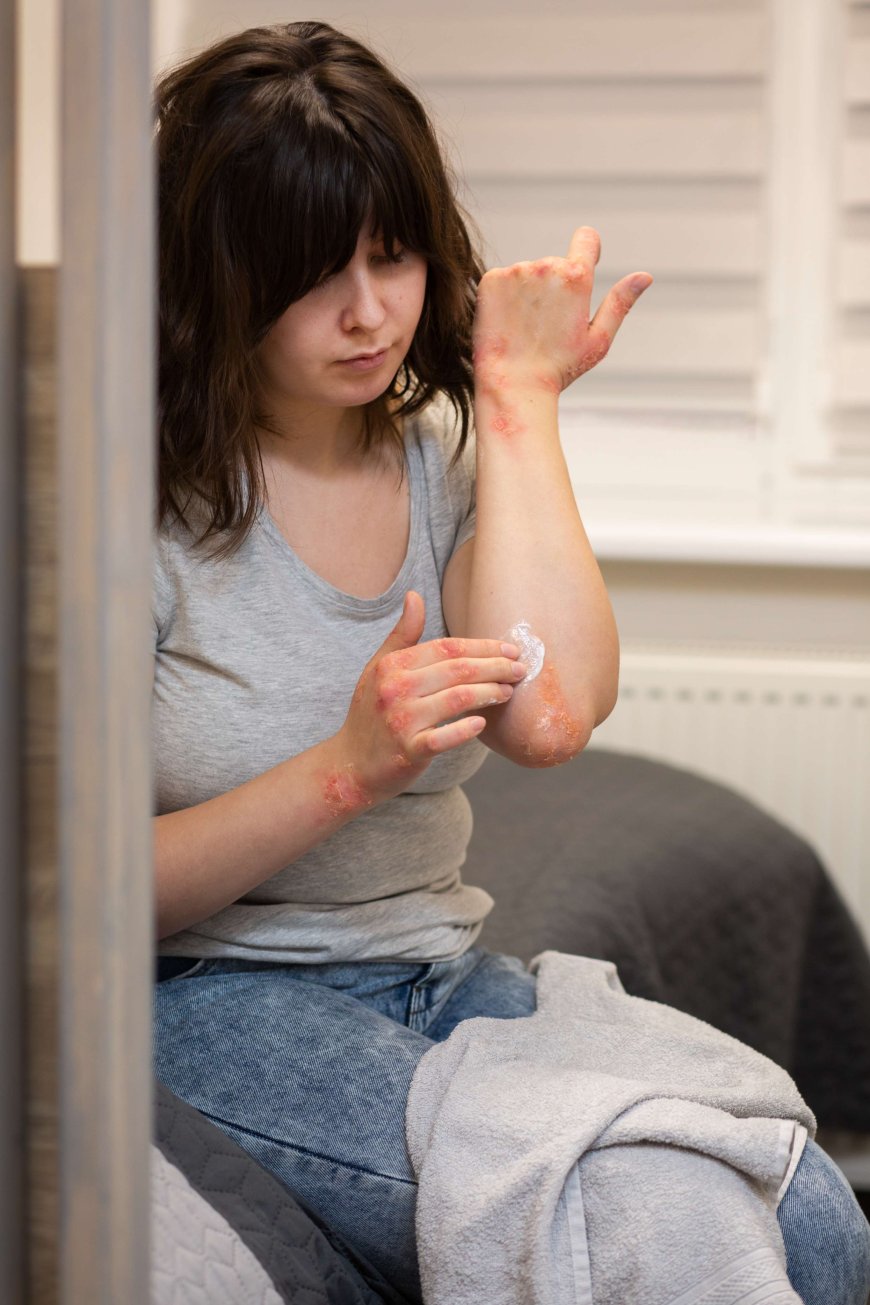
Studies in dermatology journals indicate that Ivercor 6mg is effective in treating scabies, especially in cases resistant to topical treatments. A comparative study between permethrin cream and oral ivermectin revealed similar cure rates, with ivermectin showing better compliance in mass treatment campaigns.
4. Lymphatic Filariasis
Multiple trials in India and Southeast Asia have validated the efficacy of ivermectin in reducing microfilaria levels in patients infected with Wuchereria bancrofti. When used in combination with albendazole or diethylcarbamazine (DEC), Ivercor 6mg significantly reduces the parasite load, supporting its role in elimination programs.
Global Recognition and Recommendations
Organizations like the World Health Organization (WHO) and Centers for Disease Control and Prevention (CDC) include ivermectin as a first-line therapy in treatment guidelines for several parasitic diseases.
Ivercor 6mg is a key component in mass drug administration (MDA) programs aiming to eliminate neglected tropical diseases (NTDs). These programs are particularly successful in regions with limited healthcare infrastructure.
Real-World Success: Case Studies
1. Indias Filariasis Elimination Program
Indias Ministry of Health used ivermectin alongside albendazole in national campaigns. Within a decade, microfilaria prevalence dropped below the transmission threshold in several endemic districts. Community-wide use of Ivercor 6mg was critical to this success.
2. Scabies Outbreaks in Remote Regions
In remote communities of Australia and the Pacific Islands, where scabies outbreaks are common, oral ivermectin has outperformed topical treatments in large-scale administration. Healthcare workers reported better acceptance and ease of dosing with Ivercor 6mg.
3. Humanitarian Aid and Refugee Camps
In refugee settings where sanitation and hygiene are poor, parasitic infections are rampant. International aid agencies often deploy Ivercor 6mg for quick control of outbreaks, demonstrating its versatility and effectiveness under resource-constrained conditions.
Safety Profile and Side Effects
Ivercor 6mg is generally well tolerated, with most adverse effects being mild and transient. Common side effects include:
-
Headache
-
Dizziness
-
Nausea
-
Muscle pain
-
Skin rash (especially in scabies treatment)
Severe reactions are rare but may occur in individuals with high parasite burden, such as the Mazzotti reaction seen in onchocerciasis, characterized by fever, itching, and swelling due to rapid parasite die-off.
Dosage and Administration Guidelines
The standard dose of Ivercor 6mg is based on body weight, usually ranging from 150 to 200 micrograms per kilogram. It is best taken on an empty stomach with water to enhance absorption.
For example:
-
A 60 kg adult typically takes 2 tablets (12 mg total)
-
Re-dosing may be needed after a week in cases like scabies
-
In filariasis or strongyloidiasis, repeat doses may be scheduled annually or biannually depending on local health protocols
Advantages Over Other Treatments
-
Oral administration: No need for topical application or injections
-
Long half-life: Sustained antiparasitic action for several days
-
Excellent safety margin: Minimal toxicity in humans
-
Affordable and accessible: Widely available in developing countries
Challenges and Limitations
Despite its advantages, Ivercor 6mg faces some challenges:
-
Potential for resistance: Prolonged mass use may lead to resistance in certain parasite populations.
-
Limited activity on eggs: May not kill all parasite life stages; combination therapy may be required.
-
Drug interactions: Should be used cautiously with other medications like warfarin, anticonvulsants, or immunosuppressants.
Continuous monitoring, updated guidelines, and pharmacovigilance are necessary to sustain its effectiveness.
The Future of Ivercor 6mg
As emerging and re-emerging parasitic diseases continue to pose global threats, Ivercor 6mg remains a vital weapon in public health. New research is exploring its use in:
-
Malaria transmission reduction
-
Co-administration with vaccines
-
COVID-19 adjunct trials (Though still controversial and not endorsed for this use without further evidence)
Efforts are also underway to develop long-acting formulations and combination therapies for more efficient treatment protocols.
Conclusion
Ivercor 6mg stands as a cornerstone of antiparasitic therapy, backed by decades of clinical research and public health success. Its broad-spectrum activity, proven safety, and affordability make it an indispensable tool, especially in regions burdened by neglected tropical diseases.
From mass drug administration programs to individualized treatment regimens, Ivercor 6mg continues to deliver reliable results in real-world settings. With ongoing scientific support and global collaboration, this medication is poised to play a central role in eradicating parasitic infections in the years to come.