
























Mexico Flag Facts You Didn’t Learn in School

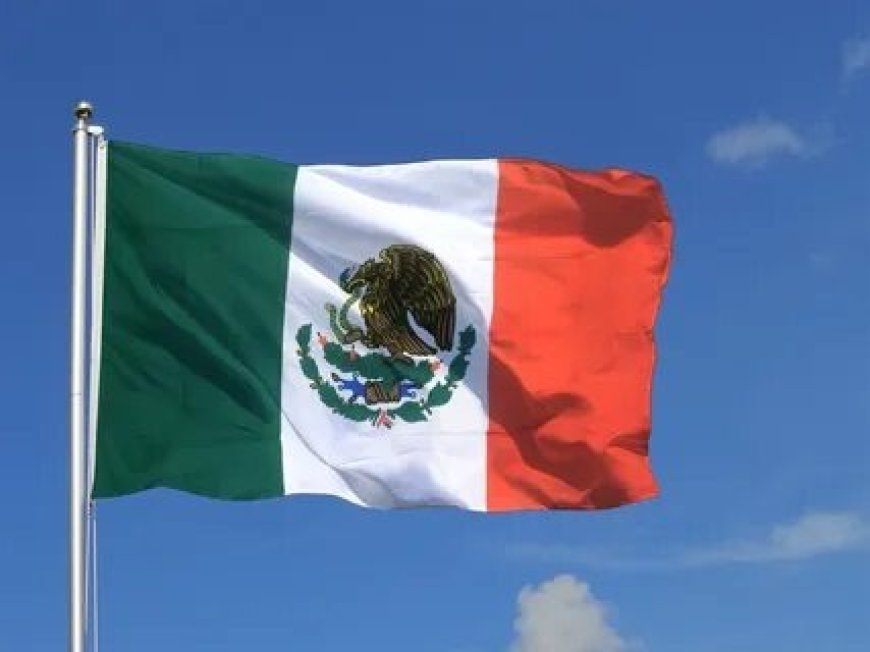
The Mexico flag is more than just a national emblem. It's a powerful symbol that tells the story of a nations identity, struggle, and pride. While most people know the basic colors and the iconic eagle, theres much more beneath the surface that textbooks often overlook. This article dives deep into lesser-known facts about the Mexico flag that reveal its rich cultural and historical layers.
The True Origins of the Mexico Flag Symbolism
Most people recognize the eagle devouring a snake while perched on a cactus, but few understand its deeper meaning. This image dates back to Aztec mythology, where the gods instructed the Aztecs to settle where they saw this exact sign. The location turned out to be what is now Mexico City.
Its a Sacred Prophecy, Not Just a Design
The symbol isnt just decorativeits prophetic. The Aztecs interpreted the eagle and serpent as a divine signal, which gave birth to one of the most powerful civilizations in pre-Columbian America. Today, this imagery represents more than national pride; it symbolizes rebirth, destiny, and divine origin.
Why the Colors Are More Political Than You Think
You may have learned that green stands for independence, white for unity, and red for the blood of national heroes. While thats partly true, the original meanings of the colors were very different.
Original Color Significance
-
Green: Symbolized independence from Spain
-
White: Represented the Catholic religion
-
Red: Meant the union between Europeans and Americans
Over time, these meanings evolved to reflect secular nationalism. The modern interpretation aligns more with civic values, distancing from the colonial and religious roots.
There Are Official Rules for the Flags Use
Unlike many national flags that can be displayed freely, the Mexico flag is protected by strict regulations under Mexican law.
You Cant Alter the Flag
Modifying the flag in any wayeven for artistic or commercial purposesis strictly prohibited. This includes stylizing the eagle or changing the color shades. Offenders can face fines or legal penalties.
Theres a National Pledge to the Flag
Mexico has an official pledge called the "Juramento a la Bandera" (Pledge to the Flag), recited during school ceremonies and official events. It emphasizes loyalty and commitment to the nation's ideals.
Its One of the Most Detailed National Flags in the World
The Mexico flag's central emblem contains intricate details, including:
-
The eagles feathers
-
The serpents scale pattern
-
The cactus with its fruit
-
The laurel and oak leaves tied with a ribbon
Each of these elements carries symbolic meaning and is painstakingly designed. Due to this complexity, the flag must often be printed in high resolution to preserve its accuracy.
The Flag Has Undergone Multiple Transformations
Many dont realize that the Mexico flag has evolved over the years. Since Mexicos independence in 1821, the flag has seen at least four major versions.
Timeline of Flag Versions
-
1821 The first version under the First Mexican Empire
-
1823 Eagle without a crown, reflecting the new republic
-
1864 Crowned eagle during the Second Mexican Empire
-
1968 The current version, made official by law
Each version marks a political shift in Mexican history, from monarchy to republic to modern-day democracy.
Hidden Elements You Probably Missed
Look closely at the flags emblem and youll find elements that most overlook:
-
The nopal (cactus) has fruit called tunas, representing fertility and abundance
-
The ribbons colors reflect the flag itself, showing unity of elements
-
The eagles talon is not only gripping the snake but also standing firm, a sign of resilience
These elements are not random; theyre packed with symbolic meaning often lost in quick glances.
Flag Day in Mexico Is a Big Deal
Da de la Bandera (Flag Day) is celebrated every February 24th, and its more than just raising the flag.
National Ceremonies and Traditions
-
Schools organize special recitations and parades
-
Government institutions perform formal flag-raising events
-
Citizens are encouraged to display the Mexico flag with respect
This day reinforces patriotism and educates the public about the flag's importance in national identity.
The Flag Has an Official Shade Guide
Did you know that the green, white, and red of the Mexico flag are not just any shades? The Mexican government provides specific Pantone and RGB codes for the exact colors to be used in any official representation.
Example Color Codes
-
Green: Pantone 3425 C
-
Red: Pantone 186 C
-
White: Always pure white (#FFFFFF)
This ensures that the flag is consistently presented uniformly across all formats, from posters to digital graphics.
Its One of the Most Respected Flags Globally
According to a global survey by Flag Institute and other vexillology organizations, the Mexico flag consistently ranks among the most beautiful and symbolically rich flags in the world.
Voted Most Beautiful in 2008
In 2008, the Mexico flag was voted the most beautiful national flag in an international poll conducted by Spanish newspaper 20minutos. It won against entries from over 100 countries.
The Eagles Orientation Matters
Unlike other countries that allow mirrored versions of their flag, Mexico requires the eagle to always face forward-right. Reversing it is considered disrespectful and inaccurate.
Why This Is Important
This strict orientation rule reflects the importance of directional symbolism in Mexican culture. The eagles position is meant to show progress, vision, and determination.
Final Thoughts: The Mexico Flag Is a Living Legacy
The Mexico flag is more than a national bannerit's a tapestry woven with centuries of mythology, colonial history, political change, and cultural pride. Every detail, from the eagles stance to the shade of red, carries a legacy of meaning that textbooks often skim over.
Whether youre a student, traveler, or culture enthusiast, understanding these lesser-known facts enriches your appreciation of one of the worlds most iconic flags. Its a living symbol of identity, constantly reminding citizens and admirers alike of Mexicos past, present, and enduring spirit.