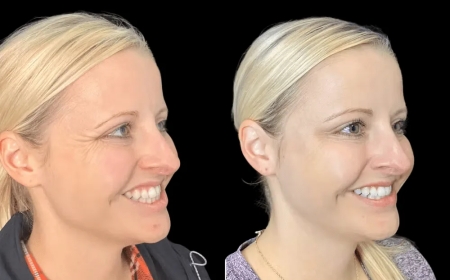























Pigmentation Treatment: Combining Home Care and Professional Treatments for Best Results


Skin pigmentation is a common concern that affects people of all skin types and ages. Whether caused by sun exposure, hormonal changes, acne scars, or aging, uneven skin tone can impact ones self-confidence. Fortunately,Pigmentation Treatmenthas evolved significantly and now combines the best of professional care and at-home routines to deliver more effective, lasting results.
In this article, we will explore the different types of pigmentation, the causes, and how to combine at-home care with professionalPigmentation Treatmentfor brighter, healthier, and more even-toned skin.
Understanding Pigmentation
Pigmentation refers to the color of the skin, which is determined by melaninproduced by skin cells called melanocytes. When melanin is overproduced or unevenly distributed, it results in dark spots, patches, or uneven skin tone.
Common forms of pigmentation include:
- Hyperpigmentation: Darkened areas caused by excess melanin.
- Melasma: Brown or gray-brown patches, often linked to hormonal changes.
- Post-Inflammatory Hyperpigmentation (PIH): Dark marks left behind after acne, injury, or inflammation.
- Sunspots (Age Spots): Caused by prolonged sun exposure over time.
Each type may require a slightly differentlipPigmentation Treatment, but most can benefit from a combination of professional procedures and daily skincare routines.
Causes of Pigmentation
To achieve the best results withPigmentation Treatment, its important to understand the root causes, which include:
- Sun Exposure: UV rays trigger melanin production, which can lead to sunspots or freckles.
- Hormonal Changes: Especially in women during pregnancy or from birth control, melasma may appear.
- Skin Injuries or Acne: Inflammation can stimulate excess melanin production, causing dark marks.
- Genetics: Some people are more prone to pigmentation due to family history.
- Aging: As the skin matures, pigment-producing cells may become less regulated.
Why Combine Home Care and Professional Pigmentation Treatment?
Relying solely on one approacheither at-home products or clinical procedurescan slow progress or lead to inconsistent results. When both are used together, they complement each other by:
- Targeting pigment at different skin depths
- Speeding up cell turnover
- Preventing new pigmentation
- Improving overall skin health and texture
This balanced strategy ensures longer-lasting improvements and a more radiant complexion.
Effective Home Care for Pigmentation Treatment
1. Daily Use of Sunscreen
Sunscreen is the most important step in anyLaser treatment forPigmentation. Even minimal sun exposure can worsen pigmentation or undo the benefits of other treatments.
- Use broad-spectrum SPF 30 or higher
- Reapply every 23 hours when outdoors
- Wear hats and sunglasses for extra protection
2. Gentle Cleansing and Exfoliation
Using a mild cleanser helps keep the skin clean without irritation. Light exfoliation (once or twice a week) removes dead skin cells and promotes renewal, which is vital inPigmentation Treatment.
- Use exfoliants with lactic acid, mandelic acid, or gentle scrubs
- Avoid harsh physical scrubs that can cause micro-tears or inflammation
3. Brightening Serums
Certain ingredients help fade dark spots and control melanin production. Look for products containing:
- Vitamin C Antioxidant that reduces pigmentation and evens tone
- Niacinamide Reduces dark spots and strengthens the skin barrier
- Kojic Acid Natural skin-lightening agent
- Licorice Root Extract Anti-inflammatory and brightening properties
Using these regularly as part of your skincare routine boosts the effectiveness of yourPigmentation Treatment.
4. Night Creams and Retinoids
Retinoids increase cell turnover and fade dark spots over time. Start with mild formulations and increase strength gradually to prevent irritation.
- Use only at night
- Always pair with sunscreen during the day
- Combine with hydrating products to avoid dryness
Professional Pigmentation Treatment Options
1. Chemical Peels
Chemical peels exfoliate the top layers of the skin, revealing a clearer complexion and reducing visible pigmentation.
- Glycolic acid, lactic acid, and salicylic acid peels are common
- Require multiple sessions for best results
- Mild redness or peeling may occur post-treatment
2. Laser Treatments
Laser-basedPigmentation Treatmentworks by breaking down pigment beneath the skin. These are usually effective for deep or stubborn pigmentation.
- Results can be dramatic with proper care
- Downtime and sensitivity vary by laser type
- Sunscreen use is essential afterward
3. Microneedling
Microneedling creates tiny skin punctures to stimulate healing and collagen production. When paired with lightening serums or PRP, it enhances their absorption and boostsPigmentation Treatmenteffects.
4. Intense Pulsed Light (IPL)
IPL therapy targets pigmented areas using light energy and is commonly used for sunspots and age-related pigmentation. Its a non-invasive option with minimal downtime.
Tips for Maximizing Pigmentation Treatment Results
1. Consistency is Key
Whether youre using professional treatments or at-home care, consistent application is essential. Pigmentation doesnt disappear overnightit takes time and patience.
2. Avoid Triggers
Identify what worsens your pigmentation and minimize exposure. This may include:
- Sunlight
- Harsh products
- Picking or scratching blemishes
- Hormonal fluctuations (speak with a professional)
3. Stay Hydrated and Maintain a Healthy Diet
Drinking plenty of water and eating antioxidant-rich foods support skin regeneration and healing.
4. Dont Mix Too Many Products
Using too many active ingredients can irritate the skin and worsen pigmentation. Stick to a simple, effective routine and introduce new products slowly.
The Emotional Impact of Clearer Skin
Achieving even skin tone throughPigmentation Treatmentcan have a significant emotional and psychological impact. It boosts confidence, encourages self-care, and can even inspire a healthier lifestyle overall.
Many individuals find that their improved appearance leads to:
- Greater self-assurance in social or professional settings
- Less reliance on heavy makeup
- A deeper appreciation for skincare and self-care routines
Realistic Expectations with Pigmentation Treatment
WhilePigmentation Treatmentcan produce significant improvements, its important to maintain realistic expectations. Factors such as skin type, severity of pigmentation, age, and genetics all influence how quickly and effectively treatment works.
Some pigmentation types may require long-term management rather than complete removal. In such cases, the goal is to lighten and control discoloration rather than eliminate it completely.
Conclusion
Combining professional procedures with a strong at-home skincare routine is the most effective way to manage and reduce pigmentation. Whether you're dealing with melasma, sunspots, or acne scars, the journey to clearer, more radiant skin starts with understanding your skins needs and choosing the rightPigmentation Treatmentplan.
By being consistent, protecting your skin from sun damage, and using proven brightening ingredients, you can enjoy visible results and long-lasting benefits. The key is balancebetween home care and professional supportto help your skin glow with clarity and health.