
























Portable Appliance Testing (PAT): Why It Matters for Safety and Compliance
Portable Appliance Testing (PAT) is essential for workplace and rental property safety. It covers what PAT testing involves, which appliances need checking, how often they should be tested, and the legal responsibilities for landlords and businesses. You’ll also find tips on choosing the exemplary PAT testing service and the key benefits of staying compliant. A helpful, easy-to-understand guide for anyone looking to improve electrical safety and avoid risks.
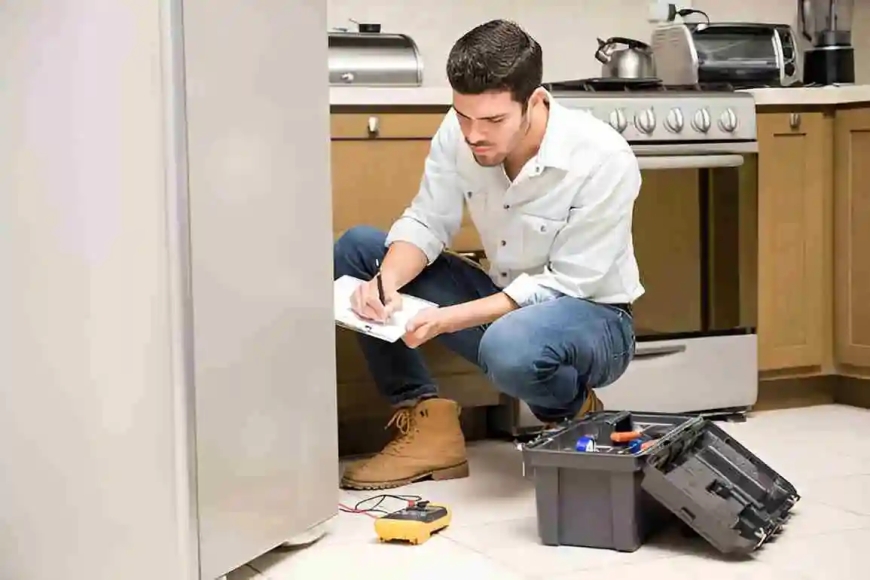
Making sure electrical appliances are safe to use is a key part of running any business or managing rental properties.. PAT helps spot faults like worn wires or damaged plugs before they cause real harm.
Its not just about being cautious; PAT testing is also a legal requirement in many cases. Employers and landlords have a responsibility to make sure appliances on their premises wont pose a risk to anyone.
Why PAT Testing Is Important
Portable Appliance testing is all about checking the condition of electrical appliances to make sure theyre safe to use. This involves testing the plug, wiring, insulation, and other parts to catch anything that might lead to an electric shock or fire.
Appliances that are moved or plugged in often, like kettles, laptops, or power tools, are more likely to develop wear and tear. Regular testing can catch problems early.
Businesses and landlords are often asked to show a PAT certificate as proof that checks have been done.
What Needs Testing and How Often?
Any equipment that can be plugged in and moved around should be tested. That includes:
- Office gear like computers, monitors, and printers
- Kitchen appliances such as microwaves or toasters
- Extension leads and plug adapters
- Medical devices in care facilities
High-risk environments, such as building sites or kitchens, might require annual checks. Low-risk spaces, like offices, may need less frequent testing.
Legal Responsibilities for Employers and Landlords
If you're running a business or renting out property, you're legally expected to keep your appliances safe. This falls under health and safety laws like the Health and Safety at Work Act 1974 and the Electricity at Work Regulations 1989.
These logs should include the date of the test, the appliance details, results, and the name of the person who tested it. Keeping good records not only keeps you organised but also helps protect you in case of an inspection or incident.
What Happens During a PAT Test?
A PAT test involves several steps:
- Visual Check: The engineer will look for any obvious issues like cracked plugs or exposed wires.
- Earth Continuity Test: Makes sure metal parts are grounded correctly.
- Polarity Test: Confirms that the wiring inside the plug is connected correctly.
- Function Check: Makes sure the device turns on and works as expected.
Common Faults and How to Fix Them
Here are some typical problems PAT testing might reveal:
|
Issue
|
What Could Happen
|
Fix
|
|
Damaged cable
|
Risk of shock or malfunction
|
Replace the cable
|
|
Loose connection
|
The appliance may not power on
|
Rewire or tighten the connection
|
|
Overheating
|
Fire risk
|
Improve airflow or replace the appliance
|
|
Broken switch
|
Can't turn the appliance on/off
|
Replace the switch
|
|
Faulty plug
|
Poor contact, sparking
|
Fit a new plug
|
Who Can Carry Out PAT Testing?
While some businesses consider doing it in-house, Portable Appliance testing should only be done by someone who knows what theyre doing. That person doesnt need to be a fully qualified electrician, but they should understand how to use testing equipment and follow the correct procedures safely.
Hiring a trained PAT tester ensures the job is done to the correct standards. It also gives you peace of mind, especially if you ever need to show proof of compliance.
How Much Does PAT Testing Cost?
PAT testing in the UK is relatively inexpensive. Prices usually range from 2 to 10 per item, depending on the number of appliances, the type of equipment, and where youre located. Some companies offer discounted rates for bulk testing and may include certificates and reports in the final cost.
Think of it as a small investment to prevent far bigger problems, like workplace injuries or legal action.
Benefits of Regular PAT Testing
- Fewer Risks: Early detection means fewer accidents or injuries
- Longer Appliance Lifespan: Maintenance can extend the life of your gear
- Build Trust: Staff and tenants appreciate a safety-first mindset
- Lower Costs Over Time: Avoid major repairs or lawsuits
PAT testing doesnt just tick a box; it creates a safer, more reliable environment.
Choosing a PAT Testing Provider
If you're hiring a PAT testing enginner, Must look for:
- Proper certifications and up-to-date training
- Clear pricing with no hidden extras
- Good customer reviews or testimonials
- Fast and helpful customer support
- Reports and documentation included
Landlord Safety Certification offer expert testing services at fair prices, with trained professionals who get the job done right.
What Records Should You Keep?
It's important to log every PAT test. Your records should include:
- The date of the test
- Test results (pass/fail)
- Who did the test
- Any repairs or recommendations
These logs not only help with compliance but also allow you to spot trends, like frequently failing devices, which helps with future planning.
Final Thoughts
Portable Appliance testing is a simple yet powerful way to make your workplace or rental property safer. It helps you avoid accidents, keeps you legally compliant, and shows that you care about the well-being of your staff, tenants, and visitors.
Taking the time to test regularly and fix minor problems early makes all the difference. Its a smart, responsible move for any business or property owner.