
























Ripped to Rise: The Streetwear Power of Denim Tears
Denim Tear is the Official Store with the Denim Tears Clothing And Choose your favorite one from our store in your Budget. New Collection 2025.

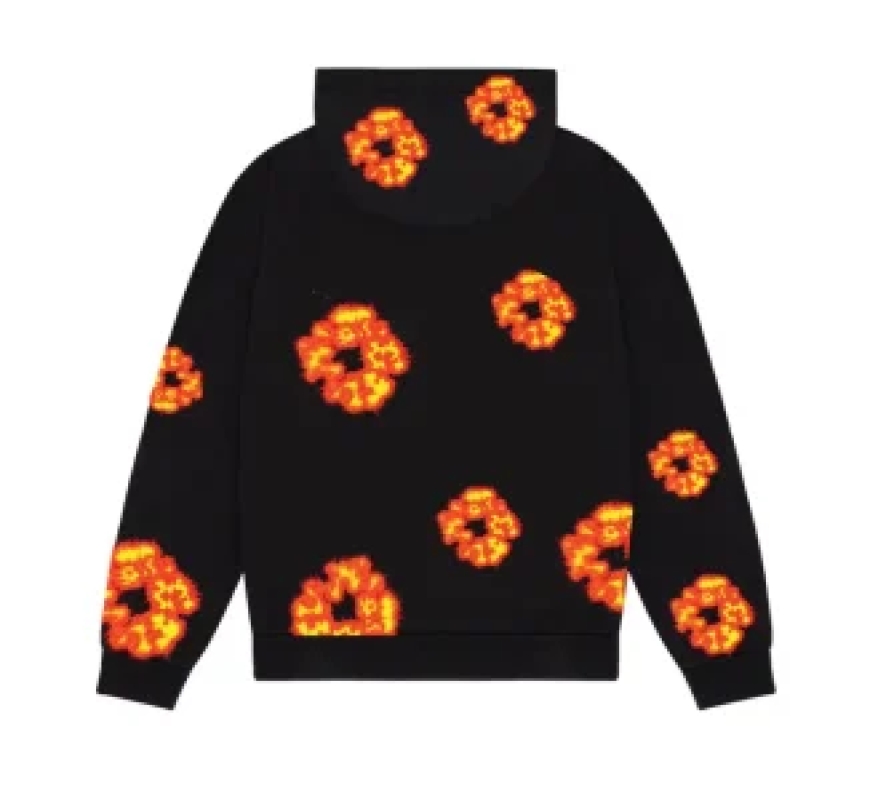
In the ever-evolving realm of streetwear, few brands have managed to make as much cultural noise and emotional impact as Denim Tears. denimtearco Born out of history, pain, and purpose, this brand transcends clothing, acting as a wearable protest, an artistic outcry, and a sharp commentary on the African American experience. Founded by Tremaine Emory, Denim Tears isn't just another labelit is a statement, a reckoning stitched in cotton and carried on backs around the world. In a fashion industry often criticized for its performative activism, Denim Tears stands as a defiant exception.
The Origin of the Tears
To understand the power of Denim Tears, one must begin with its origin. Tremaine Emory, a creative polymath who has worked with the likes of Kanye West, Frank Ocean, and Virgil Abloh, officially launched Denim Tears in 2019. But the roots of the brand go far deeperinto American history, slavery, and the cultural currency of cotton. Emory conceived Denim Tears as a response to centuries of Black suffering, commodification, and resilience.
The brands signature cotton wreath motif is no random designit references the painful history of enslaved Africans forced to work on cotton plantations. By turning that symbol into a badge of resistance and pride, Emory reframes Black pain into power, grief into art. Each pair of jeans, hoodie, or T-shirt is more than a fashion item. It's a walking reminder of both past and present.
Streetwear as Protest
What makes Denim Tears unique in the overcrowded streetwear landscape is its unflinching political stance. Where some brands shy away from activism or dilute it into aesthetics, Denim Tears charges forward. It doesnt just ride cultural wavesit makes them. By drawing directly from Black history, the brand positions itself not just as a fashion entity but as an educational one.
Take for example the launch of Denim Tears' first major collection, The Cotton Wreath, which debuted in collaboration with Converse. It was not about seasonal trends or commercial hype. It was about telling the story of Americas dark relationship with cotton and labor, with Black identity at the center. The use of cotton garments was a deliberate, painful reminder of what the material has meant to African Americans. This wasnt just fashionit was memory stitched into denim.
The Aesthetic of Resistance
Visually, Denim Tears sits at the intersection of rawness and refinement. The jeans are often rugged, ripped, and printed with the signature cotton wreath or other historic references. T-shirts feature bold graphicsportraits of civil rights icons, provocative quotes, or designs echoing vintage protest posters. Hoodies, denim jackets, and varsity pieces are distressed but dignified, weaving together streetwear with storytelling.
Emorys vision is clear: streetwear doesnt need to conform to Eurocentric standards of beauty or luxury. It can be unpolished. It can be defiant. It can be uncomfortable. And most importantly, it can be true. In doing so, Denim Tears not only elevates its pieces to artifacts, but also influences the aesthetic of countless other designers chasing meaning in the age of style-as-substance.
From the Streets to the Galleries
Denim Tears doesnt belong solely to the streetsit also occupies space in high culture. Tremaine Emorys approach blurs the line between fashion designer and cultural historian. His collections are often accompanied by long essays, collaborations with Black artists and poets, or installations that belong as much in museums as they do in wardrobes.
This multidimensionality is part of what makes the brand so impactful. In 2020, Denim Tears collaborated with British artist Thomas J Price for a project that explored Black visibility and representation. These moments show that the brands vision isnt just to sell clothesits to create an ongoing dialogue about what it means to be Black in a world thats constantly forgetting, repackaging, or erasing Black stories.
The Celebrity Signal
While Denim Tears carries heavy meaning, its also gained wide traction among celebrities and cultural leaders. Everyone from Kanye West to Rihanna, Virgil Abloh, A$AP Rocky, and Frank Ocean have been seen wearing Denim Tears. But this isnt mere celebrity endorsementits cultural alignment.
These figures are not just trendsetters, they are voices within the Black community and broader creative world who understand the significance behind the brand. Their support has helped elevate Denim Tears from niche to cult status, without watering down its message. Thats a delicate balanceand Emory manages it masterfully.
The Power of Narrative
What keeps Denim Tears relevant is not just the clothes, but the consistency and depth of its storytelling. Tremaine Emory never allows the conversation to veer into the superficial. His public persona is unapologetically Black, deeply thoughtful, and politically engaged. He uses his platform not only to promote new drops, but to challenge norms, call out injustices, and ignite conversations.
In a particularly notable moment, Emory publicly resigned as creative director of Supreme in 2023, citing creative differences and frustrations around diversity and representation. This move shocked the fashion world but underscored everything Denim Tears stands forauthenticity over acclaim, principle over paycheck.
The Future of Denim Tears
As the streetwear world grapples with questions of authenticity, cultural appropriation, and representation, Denim Tears stands firm. Its not chasing mass appeal, nor is it diluting its voice for commercial gain. Instead, its building a legacyone rooted in truth, pain, art, and liberation.
With every new collection, Emory deepens the brands mission. Whether through global collaborations, capsule collections, or thought-provoking installations, Denim Tears continues to challenge the fashion industry to reckon with its past and take responsibility for its future.
More than just a brand, Denim Tears is becoming a movement. And in a world where fast fashion reigns and style often lacks soul, that movement feels more essential than ever.
Final Reflections
Ripped to Rise is not just a clever turn of phrase. It encapsulates the essence of Denim Tears. From the tattered fabric of history, the brand crafts beauty, Denim Tears Hoodie resilience, and rebellion. It doesnt hide the scarsit highlights them. It doesn't avoid the hard questionsit asks them, loudly.
Denim Tears reminds us that streetwear can be more than aesthetic. It can be protest. It can be poetry. It can be powerful. And as long as the world has stories that need to be toldunapologetically, unfiltered, and unbowedthere will be a place for Denim Tears on the street, in the culture, and in the future.