





















South Korea’s E-Commerce Boom and Its Influence on Forex Trading Strategies

In the past few years, the e-commerce industry in South Korea has witnessed dramatic growth resulting from technological innovations and changing shopping preferences by the consumer. Online shopping is spreading widely, and South Korean businesses are widening outside their country; so e-commerce expansion is highly affecting the Forex market. An understanding of how e-commerce expansion influences currency markets is essential for South Korean traders who are customizing their forex trading strategies.
The rise in e-commerce activity has given South Korean businesses access to international markets more easily. As South Korean businesses go global, there has been increased demand for international currencies. At export businesses, Forex trading strategies will have the currency conversion difficulty added for international deals. To keep up, South Korean traders are increasing their attention on worldwide currencies and making corresponding changes to their strategies in order to react to currency changes caused by international trade. The rising tide of South Korean exports has rendered it imperative for traders to monitor the dynamic world that powers currency values, especially those of the US dollar, euro, and Chinese yuan.
Forex traders require that they follow up on e-commerce developments to forecast currency hiccups in response to market changes. Currencies used in e-commerce tend to increase more cross-border trades, but not in the local currency. For example, if a South Korean retailer has more sales from the US to his store, he will most likely need to exchange dollars for won. Consequently, the exchange rate of the won may be impacted, hence the need for careful consideration by the traders. Watching the increase in the foreign transactions that take place at an increasing rate due to the vigorous e-commerce growth in South Korea assists Forex traders in identifying movement in the currency value and reacting to these changes in their transactions.
Furthermore, most South Korean online transaction sites source raw materials from abroad, and may base their payment according to shifts in exchange rates. Such a situation increases the volatility of the currency market as currency changes overseas can easily change business costs for goods and services in Korea. Such trade pattern volatility means new opportunities for traders as well as threats. Traders can profit from the insight into e-commerce tendencies, supply chain procedures, and currency changes to make prudent investments in foreign currency dealings. It also shows the necessity for effective risk management actions to prevent currencies from being destabilized by global supply chain pressures or changes to the way people make online purchases to begin with.
Changes in consumption habits that are triggered by e-commerce carry consequences that can percolate to the Forex market. For instance, an increase in online purchases could lead to more imports to certain regions, which would interfere with trade relations and how currencies would behave. Imports through South Koreas expanding e-commerce platforms could drive demand for foreign currency, and thereby weaken the won. Conversely, a surge in interest in South Korean products outside the country might cause the value of the won to rise. Maintaining sensitivity to prevailing e-commerce trends and the probable impact of these on foreign exchange markets allows traders to take advantage of opportunities.
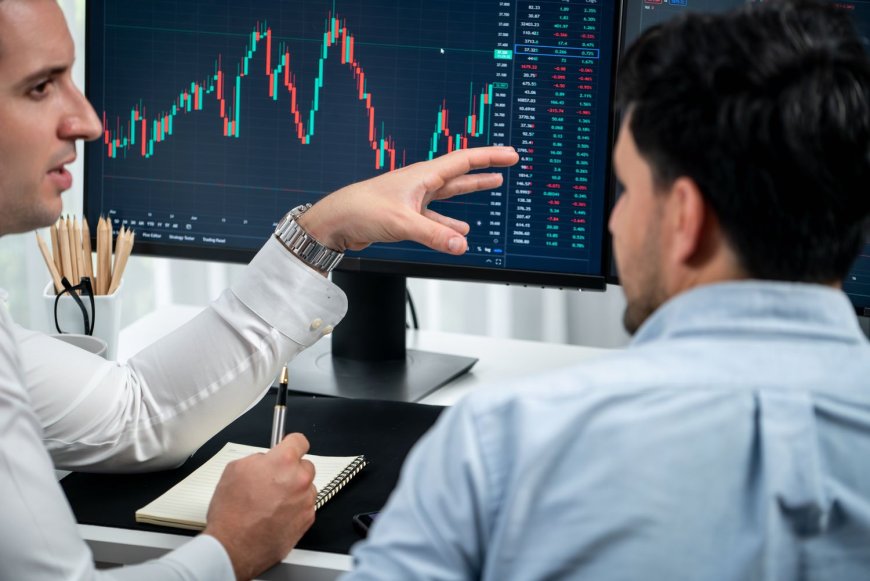
In the face of such new challenges, South Korean traders are now turning to more sophisticated means to deal with the volatility that comes as a result of the boom in e-commerce. Many traders are using technical analysis with the help of data tracking tools, to monitor worldwide trends in e-commerce sales, recording their effects on currency pairs.
The correlation between the rapidly growing South Koreas e-commerce market and the Forex market is clearly emerging with continued increase in cross-border trade and digital sales. Forex traders have to gauge the growth of e-commerce in order to keep up with changing market conditions. We need to consider the connection between the Forex market and global e-commerce trends because of the increased cross-border sales, changing supply chain networks, and shifts in consumer preferences. Considering that South Korean companies are gradually expanding globally, informed traders will be ready to handle currency risks as well as capitalizing on the vast movements.