























Tree Maintenance Company Tips for Storm-Ready Trees
Get expert tips from a tree maintenance company on how to prepare your trees for storms. Protect your property with smart, seasonal care strategies.

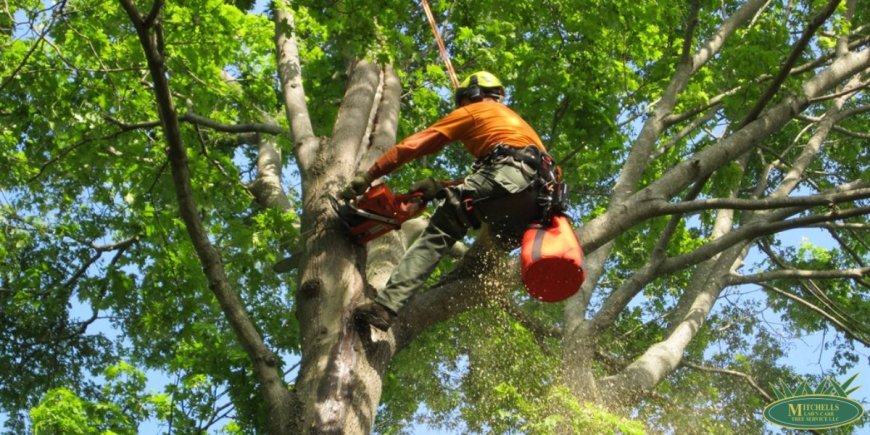
Storm season brings with it a variety of challenges for homeowners and property managers, especially when it comes to protecting the landscape. One of the most common yet overlooked vulnerabilities on any property is its trees. Heavy winds, lightning, and saturated soil can turn even the most majestic tree into a serious hazard. Thats why working with an experienced tree maintenance company is essential for preparing your trees to withstand severe weather. At Mitchell's Lawn Care Tree Service, the focus is on preventative care, safety assessments, and proactive trimming to help minimize the risk of storm damage before it starts.
Why Storm Preparation Matters
While trees offer shade, beauty, and environmental benefits, they can quickly become liabilities during a storm. Unhealthy or improperly maintained trees may snap, uproot, or drop large branches, threatening homes, vehicles, power lines, and even lives. In fact, falling trees are one of the leading causes of property damage during hurricanes, thunderstorms, and strong wind events.
Preparing your trees before a storm doesnt just protect your assetsit helps preserve the health of the trees themselves. Trees that have been professionally cared for are far more likely to survive heavy weather without long-term damage. A tree maintenance company like Mitchell's Lawn Care Tree Service can provide you with a tailored strategy to make your property more resilient and secure.
Assess Tree Health and Structure
The first step in storm preparation is understanding the current condition of your trees. A thorough inspection can reveal weak branches, signs of disease, and structural defects that may make a tree more likely to fail under pressure.
Heres what professionals typically look for:
- Dead or decaying wood: This weakens the structure and can break easily under wind stress.
- Cracks or splits in trunks or major limbs: These are signs that the tree is structurally compromised.
- Leaning trees: Trees that lean suddenly or more than usual may have root issues and could fall during high winds.
- Root damage: Mushrooms, soft soil, or visible roots may indicate decay that destabilizes the entire tree.
Mitchell's Lawn Care Tree Service performs detailed evaluations using expert knowledge to identify these potential threats. Their team ensures every tree is examined carefully, especially if its close to buildings, roads, or power lines.
Prune for Safety and Strength
One of the most effective ways to storm-proof a tree is proper pruning. Strategic trimming reduces wind resistance, removes hazardous limbs, and improves the overall structure and balance of the tree. However, pruning should always be done with purpose and expertise to avoid overcutting, which can weaken a tree or make it vulnerable to disease.
Key pruning goals include:
- Removing dead or weak branches: These are the most likely to break during a storm.
- Thinning the canopy: This allows wind to pass through more easily, reducing the chance of the tree being uprooted.
- Balancing the shape: A well-balanced tree is less likely to tip or suffer stress on one side.
- Eliminating crossing branches: These can rub and create wounds that invite pests and disease.
A skilled tree maintenance company like Mitchells knows the correct techniques and timing for pruning, especially with respect to species and regional weather patterns. For instance, pruning during dormancy (late winter or early spring) is often less stressful for the tree and provides better long-term growth.
Support with Cabling and Bracing
In some cases, pruning alone isnt enoughparticularly for trees with multiple trunks, heavy limbs, or structural weaknesses that can't be removed. This is where structural support systems like cabling and bracing come into play.
These systems involve installing flexible steel cables or rigid rods within the tree to help distribute weight and limit excessive movement during high winds. While this doesnt eliminate all risk, it can significantly reduce the chance of breakage.
Only a trained professional should install these systems, as incorrect placement can do more harm than good. Mitchells Lawn Care Tree Service offers these advanced services as part of a complete storm-preparation plan, ensuring trees with marginal stability are given every chance to survive severe weather.
Remove Hazardous Trees When Necessary
Sometimes the best way to protect your property is to remove a tree altogether. Though no one wants to lose a mature tree, those with severe decay, poor root structure, or dangerous placement may pose too great a risk.
Key signs a tree should be removed include:
- Extensive hollowing or trunk decay
- Severe leaning after a storm or flood
- Multiple large dead branches throughout the canopy
- Damage from previous storms that has not healed properly
Tree removal is a last resort, but when necessary, it should be handled safely and professionally. The experts at Mitchells Lawn Care Tree Service are fully licensed and insured for tree removal and will recommend this option only when all other avenues have been explored.
Protecting Young and Newly Planted Trees
Storm preparation isnt just for old or large treesyoung trees also need protection. Because their root systems are not yet fully developed, younger trees are more likely to topple in high winds or suffer stress-related injuries.
Proper staking is essential for stabilization, but it's important to allow enough movement to encourage strong root development. The soil around young trees should be checked to ensure good drainage, and mulch should be used to help retain moisture and regulate temperature.
Mitchells Lawn Care Tree Service offers planting and maintenance advice for young trees, helping them mature into resilient, well-rooted features of your landscape.
After the Storm: Inspection and Clean-Up
Even the most well-prepared tree can suffer damage during an intense storm. Thats why post-storm inspections are just as important as preparation. Broken branches, hanging limbs, and other hazards should be dealt with promptly to ensure safety and prevent further injury to the tree.
A post-storm tree assessment includes:
- Identifying and removing broken limbs that pose an immediate risk
- Treating wounds to prevent disease and decay
- Evaluating whether damaged trees can recover or need removal
- Clearing debris while protecting the root zone
A reputable tree maintenance company like Mitchells will offer emergency response services and cleanup, restoring your property quickly and safely after bad weather hits.
Long-Term Tree Care Builds Storm Resilience
Ultimately, storm-ready trees are the result of ongoing care and attention. Waiting until a storm is in the forecast to begin preparation is often too late. Healthy trees that are consistently maintained are naturally stronger and more resilient, making them far less likely to fail in extreme conditions.
That means scheduling regular inspections, annual pruning, and staying ahead of any signs of stress or disease. By forming a long-term partnership with a trusted provider like Mitchell's Lawn Care Tree Service, you ensure your trees are monitored and maintained year after year.
Conclusion
Storms are unpredictable, but damage from trees doesnt have to be. With proper preparation, strategic care, and expert help, you can dramatically reduce the risk that trees will pose to your property during severe weather. Whether its pruning, structural support, or full removals, working with a professional tree maintenance company ensures your landscape remains both beautiful and safe.
Mitchell's Lawn Care Tree Service takes pride in helping homeowners and property managers prepare for the worst while preserving the best. Their hands-on, safety-first approach ensures that your trees can handle whatever nature throws their way. Make storm preparation part of your regular tree care routineand rest easier knowing your property is protected.