













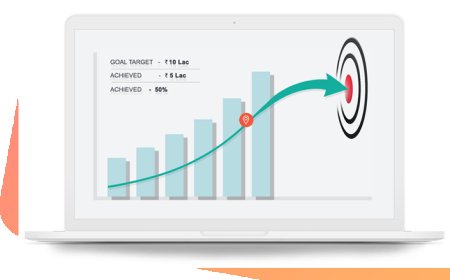










Understanding Small Business Financial Intelligence for Strategic Growth


Every decision you make in your small business has a financial impact, whether you realise it or not. From pricing your products to managing cash flow, your ability to understand and interpret financial data can be the difference between thriving and merely surviving. Yet, financial intelligence isnt just about crunching numbersits about using those numbers to tell a story and guide your next move.
For small business owners in the UK, where markets shift quickly and competition is fierce, sharpening your financial intelligence is no longer optional. Its the key to staying agile, spotting opportunities, and avoiding costly mistakes. By understanding the nuances of your finances, youll not only build a more resilient business but also gain the confidence to make smarter, faster decisions.
Developing Small Business Financial Intelligence
Small business financial intelligence links directly to your ability to recognise, analyse, and act on financial data. You will discover that this awareness affects every layer of your business, from budgeting to pricing strategies. Small businesses often operate in dynamic environments, so mastering financial fluency might prevent errors that affect long-term sustainability.
You could view financial data as more than columns of numbers. They form patterns, reveal vulnerabilities, and outline opportunities. Your ability to interpret these numbers allows you to prioritise goals, measure performance, and allocate resources effectively. Are your costs increasing beyond revenue growth Have your overheads become unmanageable These questions arise through proper data understanding.
In case you overlook emerging trends in your sector, financial indicators serve as warning signals. Tracking cash flow reveals how efficiently your business handles payments and expenses. You will recognise the importance of balancing invoices against payroll obligations when cash flow tightens. Staying informed ensures agility in adjusting operations.
Profit and loss statements outline operational health. If margins decrease, you must rethink cost structures or pricing. Similarly, paying attention to working capital reflects how well short-term obligations are managed. Observing financial ratios helps you evaluate productivity or debt reliance. Solid financial insights ensure clarity, enabling grounded decisions.
Financial intelligence ties closely to decision-making. Your strategies often depend on forecasting, and reviewing financial statements channels realistic expectations. When pursuing financing opportunities, knowing financial performance enables stronger discussions with lenders. If expansion seems risky for stretched budgets, calculations guide your choices.
What about external forces Market shifts, inflation, or even disruptions influence your finances. Regular analysis minimises surprises by preparing you for fluctuations. Automating systems, along with consistent reporting, sharpens your tools for staying proactive. Its down to how well you utilise available insights to minimise risk.
Financial intelligence leads to competitive positioning. Understanding what strengthens your bottom line provides advantages when figuring pricing, offerings, and customer acquisition. Following financial trajectories ensures smarter adaptation, even during competition pressure. Strategic use of knowledge builds resilience and safeguards growth.
Key Components Of Financial Intelligence
Developing financial intelligence enables your small business to figure out its financial landscape effectively. You will find that breaking financial know-how into core areas simplifies decision-making and supports sustainable growth.
Financial Literacy
An understanding of financial principles forms your foundation. Terms like gross profit, net profit, operating expenses, and liquidity matter. Familiarity with these concepts ensures you interpret reports and make better decisions. For instance, distinguishing between cash flow and profit helps in addressing daily operational needs without compromising long-term goals. You might even consider formal learning to deepen your insights into financial reports and metrics.
Budgeting And Forecasting
Budgeting focuses on allocating resources, while forecasting anticipates what lies ahead. You will allocate funds to areas maximising returns or cutting waste when revenue fluctuates. A precise budget paired with a data-driven forecast identifies realistic revenue goals and spending limits. Utilising historical insights, you might predict seasonal trends, helping your business avoid surprises and prepare for peaks and dips efficiently.
Cash Flow Management
Without cash flow health, operational struggles occur. In observing patterns of inflows and outflows, shortfalls become predictable, allowing corrective action. Effective tracking lets you meet payroll, manage inventory, or invest when needed. For example, setting benchmarks for invoicing gaps and payment cycles helps maintain cash reserves. Implementing disciplined management ensures obligations like taxes or loans dont derail progress.
Financial Analysis Tools
Modern tools simplify financial analysis, revealing actionable insights. Using software for data tracking or dashboards for visual representation makes understanding key metrics easier. Ratios like debt-to-equity or return on investment highlight performance. Automation reduces errors, while providing deeper real-time insights, so exploring affordable tools designed for small businesses proves invaluable.
Benefits Of Financial Intelligence For Small Businesses
Financial intelligence provides small businesses with tools to understand, adapt, and thrive in dynamic financial environments. It transforms data into actionable insights that drive growth and stability.
Improved Decision-Making
You might notice better judgement in key areas like pricing, hiring, and resource allocation when financial intelligence shapes your processes. Understanding trends, budgets, and forecasts enables you to align decisions with long-term goals. If you're analysing customer spending patterns or evaluating vendor agreements, financial clarity ensures precise strategies. This knowledge supports adapting to shifting markets, ensuring each step is informed and effective.
Better Risk Management
Identifying risks early becomes easier when you consistently review financial statements like balance sheets and cash flow reports. Recognising vulnerabilities lets you strengthen weak areas before they escalate, whether you're diversifying revenue streams or reducing unnecessary expenses. You will find that anticipating economic shifts or market fluctuations helps you build resilience. Robust planning ensures you're ready for unexpected challenges, safeguarding your business from potential setbacks.
Enhanced Profitability
Financial intelligence directly contributes to optimising profitability by reducing inefficiencies and highlighting opportunities. Accurate tracking of revenue inflows and cost structures shows where adjustments can maximise returns. In the case that you're setting competitive pricing or reallocating funding, a detailed financial understanding drives smart decision-making. This clarity provides sustainable growth, ensuring your business consistently boosts its bottom line.
Financial Intelligence Skills
Mastering financial intelligence involves building your knowledge and applying it effectively to your business. It requires ongoing learning, adaptation, and refinement of tools and strategies to make the most of your financial data.
Utilising Educational Resources
Dive into specialised courses, workshops, or online platforms that cover financial management for small businesses. You might explore resources provided by institutions like the Open University or the Association of Chartered Certified Accountants (ACCA), which offer practical insights into budgeting, financial analysis, and reporting. You could also tap into government programmes or industry-specific publications to deepen your understanding of market trends. Regularly dedicating time to expanding your knowledge ensures you stay ahead of financial complexities.
Leveraging Technology And Software
Integrate financial tools that provide real-time insights and automate routine tasks. Software like QuickBooks or Xero helps track expenditure, monitor cash flow, and generate detailed financial reports with minimal effort. Dashboards summarising key metrics allow you to spot patterns, predict trends, and make decisions based on reliable data. If you utilise cloud-based platforms, youll benefit from features like secure storage and remote access, enhancing operational efficiency and informed planning.
Seeking Professional Advice
Engage with accountants, financial consultants, or advisors who can translate raw data into actionable insights. A professionals perspective might help uncover unnoticed inefficiencies, align your financial goals, or streamline tax management. Regular consultations ensure you interpret complex metrics accurately and optimise resource allocation. Access to expert advice often leads to strategies that both minimise risks and enhance profitability, reinforcing the foundations of your financial decision-making.
Common Challenges And How To Overcome Them
Every small business faces hurdles in developing financial intelligence, with each challenge presenting an opportunity for growth. Addressing these common barriers builds a stronger foundation for sustainable success.
Limited Financial Knowledge
Gaps in financial understanding make it harder to interpret key metrics, like net profit or operating expenses. Without clarity, decisions might rely on guesswork, affecting cash flow or long-term stability. You will find that taking actionable steps, such as enrolling in courses from recognised bodies like ACCA, strengthens your financial fluency. Engaging with webinars or reading industry publications brings real-world scenarios into focus, equipping you with the confidence to analyse profitability or identify inefficiencies.
Lack Of Time And Resources
Daily operations often leave limited capacity for financial analysis. Small teams struggle to prioritise tasks, delaying decisions crucial to cash flow forecasting or expense management. Using automation tools like QuickBooks saves valuable hours by simplifying repetitive tasks like expense tracking. You might also explore outsourcing accountants or part-time financial consultants, ensuring your data remains accurate without stretching internal bandwidth. When resources feel constrained, reallocating just a fraction towards educated decision-making improves efficiency and focus.
Resistance To Change
Adhering to outdated processes blocks adaptability in fast-evolving markets. Sticking to manual methods for tracking expenses or avoiding financial software limits precision and speed. If growth stagnates or errors increase, resistance to modernising systems may hold your business back. Encouraging a culture of adaptability within your team is vital. When you introduce intuitive software like Xero and demonstrate its benefits using examples, scepticism often shifts to trust. Regularly highlight tangible outcomes from adopting modern practices, such as clear financial forecasts or increased savings.
In Closing
Developing financial intelligence is one of the most valuable investments you can make as a small business owner. It equips you with the tools to figure out challenges, seize opportunities, and build a resilient foundation for growth. By embracing continuous learning, leveraging technology, and seeking expert guidance, you can transform financial data into actionable insights that drive success.
Adopting a proactive approach to financial management not only strengthens your decision-making but also positions your business to thrive in an ever-changing market. With the right strategies and mindset, you can turn financial intelligence into a competitive advantage that ensures long-term sustainability and profitability.